
+86- 15030729981
www.zeushebei.com
www.zeushebei.com
Economic Development Zone, Cang City, Hebei Province, China.

Views: 0 Author: Site Editor Publish Time: 2026-02-13 Origin: Site
Building a modern chicken house means more than walls and a roof. If you use smart design and automation, your chickens stay healthier. You also feel less worried. Did you know 62% of big chicken farms use automation now? Many use smart doors. Look at how these systems compare:
Metric | Manual Systems | Automated Systems |
|---|---|---|
Eggs per hen annually | 287 | 326 |
Labor hours/1k birds | 18 | 7.2 |
Feed conversion ratio | 2.4:1 | 2.1:1 |
Things like automated feeders and climate controls help chickens do well. These upgrades also make your chores much easier.
Pick a good spot for your chicken house. Find dry land that is flat. Make sure water drains well. This keeps chickens safe and healthy.
Use smart design ideas. Build a coop that has good airflow. Add insulation to keep chickens comfortable. This also lowers energy costs.
Get automation tools. Automated feeders and doors help save time. They cut down on work. Your chickens get the right care every day.
Focus on predator protection. Use strong materials for the coop. Make the design secure. This keeps chickens safe from danger and stress.
Clean the coop often. A clean coop helps chickens stay healthy. It stops bad smells. Your flock will be happy in a clean place.
Picking the right spot for your modern chicken house makes a big difference. You want a place that stays dry and never floods. Look for a level or gently sloping area. This helps water drain away fast after rain. Here’s a quick guide:
Criteria | Description |
|---|---|
Topography | Level, gently rolling, or hilly land keeps your coop safe from flooding. |
Storm Water | Good drainage stops erosion and keeps your chickens dry. |
Distance | Keep your coop away from homes and woodlands for safety and health. |
Make sure you can reach the coop easily.
Choose a spot with a steady water supply.
Avoid building too close to trees or thick woods.
When you think about orientation, sunlight and airflow matter. Place the largest window on the south side if you live in a cold area. This brings in more sunlight during winter. In hot places, shade helps keep your flock cool. Add windows for airflow at night. Never put nesting boxes on the south wall, or eggs might get too warm.
Giving your chickens enough room helps them stay happy and healthy. If you crowd them, they get stressed and may fight. Here’s a table to help you plan:
Breed | Indoor Space (sq ft) | Outdoor Space (sq ft) |
|---|---|---|
Laying hens | 3-4 | 10 |
Meat chickens | 3-4 | N/A |
Too many birds in a small space can cause problems like feather pecking and slow growth. Always plan for a little extra space when you design your coop.
Choosing the right materials saves you money over time. Weather-resistant wood, like cedar or redwood, lasts a long time and needs little care. Here’s a quick look at some options:
Material Type | Durability | Weather Resistance | Maintenance Needs |
|---|---|---|---|
Redwood | High | Good | Low |
Cedar | High | Excellent | Low |
Galvanized Aluminum | Medium | Good | Medium |
Fiberglass | High | Excellent | Medium |
PVC | Medium | Good | Low |
A strong frame and tight joints keep your chickens safe from predators. Pick easy-to-clean surfaces to make chores simple. When you plan your design, think about insulation too. Good materials keep your flock comfortable in every season.
A modern chicken house should be strong and last a long time. The shape and layout are very important. Good design helps air move better and makes cleaning simple. It also keeps chickens healthy. Here are some smart design ideas:
A rectangle shape is strong and saves space. You can fit more chickens without crowding them.
Smart design helps control the indoor climate and saves energy. This keeps your chickens comfortable and saves you money.
The roof needs a slope. A 10% to 15% slope is good for drainage. If you live where it rains or snows a lot, use a 20% to 50% slope. This stops leaks and keeps the building safe.
Air moves best when there is space between the eaves and the cage height. This stops cold drafts and mixes the air well.
If you use these ideas, you will fix things less often. Your chickens will feel less stress. Cleaning will also be easier for you.
Ventilation is very important for a healthy chicken house. If you do it right, you get fresh air and fewer diseases. You also pay less for energy. Here is how different systems work:
Ventilation Type | Description |
|---|---|
Positive-Pressure | Active ventilation brings in cooled air. |
Negative-Pressure | Passive ventilation lets hot air escape and boosts airflow. |
CPNPV System | Combines both methods for the best temperature control and air circulation. |
You want to keep out moisture and bad gases. Bad ventilation lets ammonia and hydrogen sulfide build up. These gases hurt your chickens’ lungs and make them sick. You can stop this by following these tips:
Run fans for short times to control moisture and CO₂. This keeps oxygen high and does not chill your chickens.
Point air toward the ceiling. It mixes before it gets to the birds, so you avoid cold drafts.
Tight buildings with good ventilation give you better air and lower energy bills.
Control humidity first. Chickens do better with low humidity, even if it gets cold or hot.
Use just enough ventilation in cold weather. This keeps air moving but does not make the coop too cold.
If you pay attention to ventilation and airtightness, your chickens stay healthy and lay more eggs.
Insulation helps your chicken house stay warm or cool. It keeps the temperature steady and saves energy. Here are some good materials to use:
Insulation Material | Description | Notes |
|---|---|---|
Rigid Foam Board | Easy to install, excellent insulation value. | Attach directly to concrete walls. |
Fiberglass Batts | Traditional, fits between wall studs or rafters. | Protect from pecking. |
Spray Foam | Sprays onto surfaces, seals air gaps well. | More expensive, very effective. |
Straw Bales | Natural and cheap. | Shield from chickens. |
Reflective Insulation | Foil layers reflect heat, extra value in hot climates. | Works best in warm areas. |
Good insulation means you pay less for heating. Your chickens also feel better. Fans can lower heating bills by 10% to 30%. Cooling pads can drop air temperature by up to 30°F and use less power. If you block leaks, you control temperature and air better. More ceiling insulation almost doubles the R-value. This cuts heat loss in winter. Tunnel doors with insulation also help keep chickens cool in summer and save money.
You must keep predators out to protect your chickens and your money. Here are ways to make your chicken house safer:
Use hardware cloth instead of chicken wire. It is stronger and stops most animals.
Make sure the floor is secure. Digging animals cannot get in.
Cover the top of the run to stop birds of prey.
Raise the coop off the ground. This keeps out digging and crawling animals.
Bury mesh around the edge. This stops burrowing animals.
Keep the area clean. Fewer hiding spots mean fewer attacks.
Only feed what your chickens will eat. Leftover food attracts pests.
Use guardian animals like dogs for extra safety.
Lock doors and windows at night. This keeps your chickens safe when they sleep.
Check the coop often. Fix problems fast to stop losses.
Predator attacks can cost you a lot of money and stress your chickens. You lose eggs and money if you do not act quickly. Guardian dogs and devices that scare animals help keep your chickens safe. When you make your chicken house secure, you get more eggs and feel less worried.
Impact on Profitability and Flock Safety | Description |
|---|---|
Financial Losses | Losses from predator attacks can rise fast if you don’t fix the problem. |
Reduced Egg Production | Stress from predators lowers egg output and profits. |
Importance of Quick Response | Acting quickly stops further damage and keeps your flock safe. |
Use of Livestock Guardian Dogs | Guardian dogs deter predators and protect your chickens. |
Predator-Deterrent Devices | Devices scare away threats and help maintain profitability. |
Keeping things clean helps your chickens stay healthy and keeps smells down. You want a setup that is easy to clean. Here are some good steps:
Take out manure every day or week. This keeps ammonia low and air fresh.
Store manure in covered, airy places away from water.
Compost chicken waste. This turns manure into good material and kills germs.
Clean and disinfect feeders, waterers, and floors often.
Cleaning often is very important. Ammonia should stay below 25 ppm. High ammonia slows chicken growth and makes them sick. It also causes bad smells. If you manage waste well, you get better air, healthier chickens, and happy neighbors.
Evidence Type | Details |
|---|---|
Ammonia Levels | Should not exceed 25 ppm to avoid negative impacts on bird productivity |
Health Impact | High ammonia reduces weight gain and weakens immunity |
Environmental Complaints | Most complaints come from odor pollution in farming |
Use approved cleaners and throw away waste the right way. This keeps germs away and protects your chickens. A smart layout with easy access makes cleaning faster and better.
Tip: Make a cleaning schedule and follow it. You will see stronger chickens and have fewer problems.
When you focus on these design basics, you build a chicken house that is strong, safe, and easy to care for.
Modern chicken houses work better with automatic doors and feeders. These tools help you and your chickens every day. Automatic doors open and close at set times. This keeps chickens safe at night and lets them out early. Some doors use solar power, so they work even if the power goes out.
Check this table for some common choices:
Type of Product | Features |
|---|---|
Automatic Chicken Coop Door | Solar-powered, programmable, durable |
Adjustable Stand Design Chicken Feeder | No-waste, complements automatic doors |
Automatic feeders give chickens food at the right time. You do not have to worry about giving too much or too little. These feeders use sensors to check the birds’ weight and health. They give food at regular times. You save time and waste less feed, about 20% less. This means you keep more money and your chickens stay healthy.
Automated feeders make sure chickens get the right amount of food.
These systems help you do less work.
You can manage your chickens better and avoid mistakes.
Tip: Automated feeders help you spend less on labor and feed. They also make feeding more accurate.
Water is as important as food for chickens. Heated waterers stop water from freezing in winter. Climate control systems keep chickens comfortable all year. When it gets hot, chickens drink more water. You need clean, cool water to help them stay healthy.
Chickens drink much more water when it is hot outside.
Drinkers should give at least 70 mL of water each minute.
Put water pipes in good spots to keep water cool.
Climate control uses fans, heaters, and sensors. These keep the coop at the right temperature and humidity. This stops breathing problems and keeps egg production steady. See how climate automation helps chickens:
Factor | Impact on Egg Production and Bird Health |
|---|---|
Temperature | Reduces heat stress, boosts egg production |
Humidity | Prevents respiratory problems |
Air Quality | Minimizes disease and stress |
Ventilation | Supports consistent egg laying, lowers mortality |
Climate systems use energy-saving fans and automatic controls. Chickens stay comfortable even in bad weather. You get better feed use and more eggs.
Note: Add electrolytes to water when it is hot. This helps chickens stay hydrated and healthy.
Collecting eggs by hand takes a lot of time. It can also break eggs. Automatic egg collection systems fix these problems. These systems move eggs gently from nests to the packing room. You get fewer broken eggs and save money on labor.
Here is how these systems work:
Component | Function | Key Spec |
|---|---|---|
Egg belt | Carries eggs to elevator | 2 mm PP, 500 mm wide |
Egg elevator | Lifts eggs to conveyor | Soft brushes + rollers |
Central conveyor | Moves eggs to packing room | PVC belt, 15° slope |
Control panel | Runs timers, speeds, safety | PLC with touch screen |
Egg counter | Digital tally for inventory | ±1 % accuracy |
Automatic systems collect, count, and move eggs fast. They can handle up to 15,000 eggs each hour. You spend less on labor and break fewer eggs. Breakage drops below 1%. You spend less time collecting eggs and get better shells.
Automated systems treat eggs gently and keep them clean.
You need less labor, so you have more time for other jobs.
Digital counters help you track eggs and manage your flock.
Callout: Automatic egg collection cuts egg breakage by half compared to manual collection. This means more money and less waste.
Smart security and remote monitoring help keep chickens safe. WiFi doors let you control who enters from anywhere. Zigbee technology lets you watch your coop wirelessly from far away. You can add sensors to spot predators and check temperature.
Data logging keeps track of conditions and chicken activity.
Real-time data helps you manage your flock better.
Predator detectors warn you about danger before it happens.
Remote monitoring stops theft and keeps chickens healthy. Some systems show live video with trained people who can act fast. Others record events and send alerts to you or the police. Flock Safety’s technology has helped stop up to 97% of thefts.
Live operators can stop crime right away.
You get alerts for strange activity and can respond quickly.
These systems protect your chickens and your money.
Tip: Smart coop technology lets you check your chickens from your phone. You can see your flock no matter where you are.
With automation and technology, your chicken house is easier to run. Your chickens stay healthy, you save time, and you keep your flock safe with new tools.
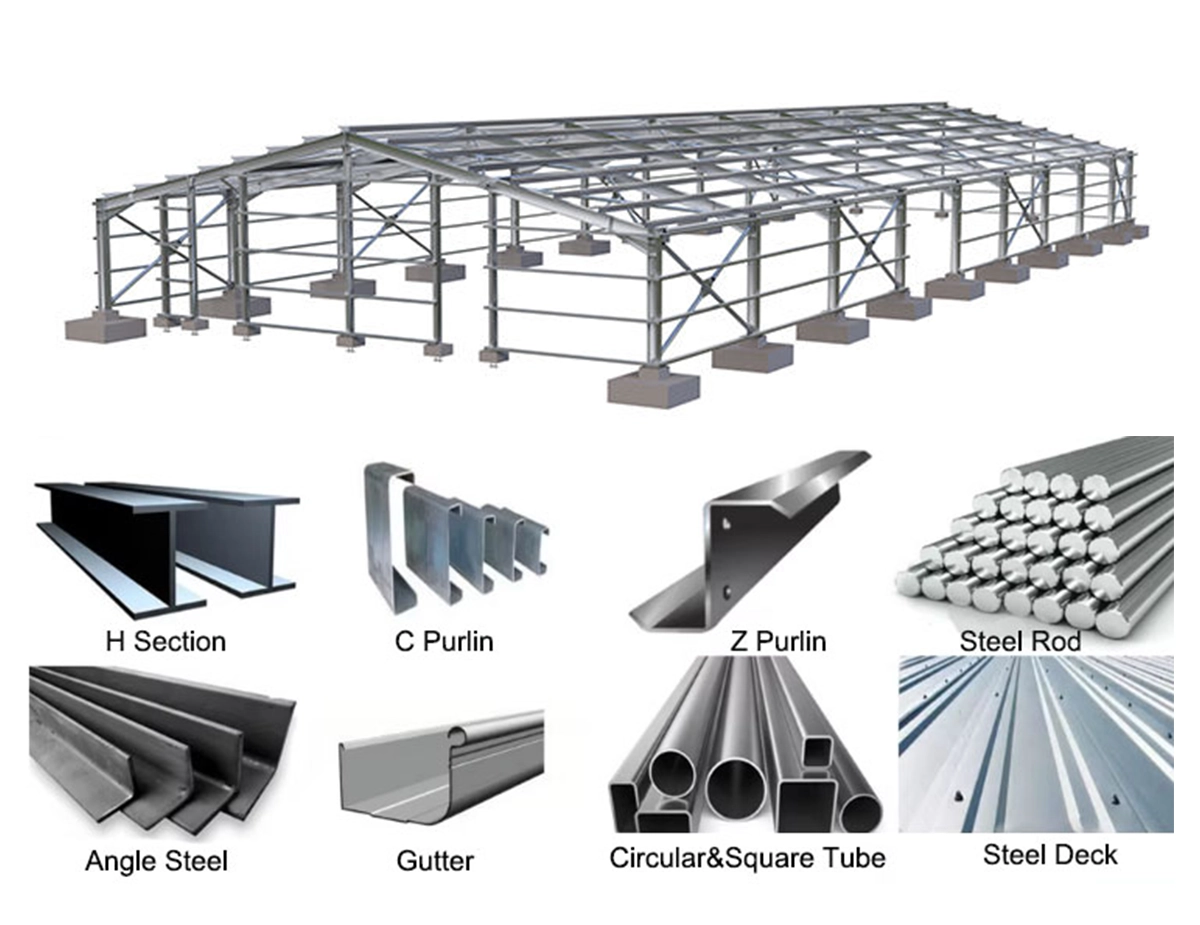
Steel-structure chicken houses are a good choice if you want something strong and long-lasting. They last a long time, sometimes 20–30 years or more if you take care of them. Steel does not rot or get eaten by termites. The parts are light, so you can build the house quickly. You can change the design to fit your farm. You use less wood and other old materials.
Here’s why steel-structure chicken houses are smart:
They last longer, so you rebuild less often.
Steel is strong and keeps chickens safe from storms.
Light parts make building easier for workers.
You can change the design to fit your needs.
You save time because the house goes up fast.
Steel does not rust easily, so it can last up to 50 years.
Using steel helps you make less waste.
You spend less money fixing things each year. Look at this table to compare:
Material | Avg. Lifespan | Maintenance Cost/Yr |
|---|---|---|
Wood | 2-3 years | $18/m² |
Plastic (HDPE) | 5-7 years | $9/m² |
Galvanized Steel | 15-20 years | $2.50/m² |
Steel-structure chicken houses help you control the inside better. Your chickens stay healthier. You can add new technology when you need it.
Tip: If you want a chicken house that is easy to care for and lasts longer, steel-structure chicken houses are a great option.
Hightop steel-structure chicken houses are even better for big farms. They have special systems for feeding, watering, and collecting eggs. These systems use machines to do the work. This means you spend less money on workers and waste less food. You can manage your chickens with less effort.
Here are some features:
Feature | Benefit |
|---|---|
Labor Cost Reduction | 25–40% decrease |
Improved Bird Welfare | Enhanced living conditions |
Biosecurity | Increased safety measures |
Automation | Streamlined operations |
IoT-enabled Monitoring Platforms | Operational transparency |
The H Type Chicken Battery Cage System helps you use space well. You can control the air and food for your chickens. Machines do the hard jobs, so you can focus on keeping your chickens healthy. You get more eggs and work faster.
Note: Hightop steel-structure chicken houses help you run a strong and modern chicken house. You save money, keep your chickens safe, and your farm works better.
You want a strong base for your chicken house. Start with a concrete slab or sturdy footings. This keeps your coop level and dry. A good foundation also helps with biosecurity because it blocks pests and disease from getting inside. Use a flexible layout if you plan to expand or change your design later. You can build walls and roof panels next. Make sure everything fits tight for climate control and ease of maintenance.
Now you can add the important parts. Put in windows and vents for climate control. These help you manage temperature and airflow. Install doors and locks for safety and biosecurity. Add feeders, waterers, and perches where chickens can reach them. Choose a low-maintenance coop design so you spend less time cleaning. You want maximum convenience, so pick materials that wipe clean fast.
Let’s talk about technology. Set up automation for doors, feeders, and climate control systems. These tools give you convenience every day. You can use sensors and timers to run climate controls. This keeps your chickens comfortable and healthy. Technology also helps you track egg counts and spot problems early. With automation, you get maximum convenience and more time for other jobs.
Check your chicken house often. Look for leaks, broken parts, or signs of pests. Test climate control systems to make sure they work right. Clean and disinfect surfaces to keep biosecurity strong. Upgrade your technology when you can. New tools can make your coop even easier to run. If you keep up with routine checks, you enjoy ease of maintenance and a safe place for your chickens.
Tip: Make a checklist for your routine checks. This helps you remember every step and keeps your chicken house in top shape.
You can build a modern chicken house that works for you and your flock. Smart design and new technology make your daily chores easier. Steel-structure options help you save money and keep your chickens safe. Keep checking your setup and upgrade when you find better tools. Want to learn more? Look for guides on advanced coop solutions or join online forums for tips from other chicken owners.
You want your coop to stay cool in summer and warm in winter. Use insulation and fans to control the climate. Add windows for airflow. Automatic systems help you adjust the coop’s climate fast. Your chickens stay happy and healthy all year.
You can protect your coop by using hardware cloth, locking doors, and raising the coop off the ground. Check for holes often. Add lights or alarms for extra safety. These steps give your chickens a safe home and help you sleep better at night.
You see better egg production and healthier birds with a controlled environment. This setup lets you manage the coop’s climate, light, and air. You get fewer diseases and more eggs. It also brings environmental and biosecurity benefits for your flock.
Turnkey steel-layer and broiler houses are ready-to-use coops made from steel. You get everything set up for you. These coops last longer, need less care, and work well for big flocks. Many farms choose complete turnkey solutions for easy management.
You should clean your coop every week. Remove manure, old bedding, and leftover food. Wash waterers and feeders. A clean coop keeps your chickens healthy and helps control the climate inside. Regular cleaning also keeps your coop smelling fresh.
Tip: Make a checklist for your coop cleaning routine. You will not forget any steps, and your chickens will thank you!


