+86- 15030729981
www.zeushebei.com
www.zeushebei.com
Economic Development Zone, Cang City, Hebei Province, China.

Views: 167 Author: Site Editor Publish Time: 2026-04-02 Origin: Site
Building a chicken coop is an exciting and rewarding project for any aspiring poultry owner. Whether you are raising chickens for eggs, meat, or as pets, creating a safe and comfortable home for them is essential for their health and productivity. A well-designed chicken coop not only protects your flock from predators and harsh weather but also provides an organized environment that makes daily care easier and more efficient. In this guide, we will walk you through the process of building a chicken coop from start to finish, including the necessary materials, design considerations, and step-by-step instructions. Whether you have a small backyard or a larger plot of land, the right chicken coop design will ensure your chickens are comfortable, happy, and productive.
Chickens are vulnerable to a variety of predators, ranging from wild animals like raccoons, foxes, and coyotes, to domestic pets like dogs and cats. Without proper protection, your chickens could be at risk of attack, which can lead to injury or even death. A well-built chicken coop provides a secure environment where your chickens can sleep safely at night, protected from these threats. The coop should be constructed with strong materials such as hardware cloth or welded wire mesh, which are difficult for predators to tear through. Additionally, the chicken coop should be raised off the ground to prevent animals from digging under it.
Even within the coop itself, careful attention must be paid to areas where predators might gain access. For example, make sure the door and windows are properly secured, and that any ventilation openings are small enough to prevent small animals from squeezing through. Adding an extra layer of protection with a secure, lockable door and reinforced mesh on all windows and openings ensures the safety of your chickens when they are indoors.
Chickens need shelter from the elements to remain healthy. Whether it’s the scorching heat of summer or the freezing cold of winter, exposure to extreme weather conditions can lead to stress, illness, or even death. A properly designed chicken coop will shield your chickens from the harshest weather, providing them with a comfortable place to roost and lay eggs.
In hot climates, the coop should be well-ventilated to prevent overheating. Adding windows or vents that can be opened and closed allows for the flow of fresh air and helps regulate the temperature inside. You can also use reflective roofing materials or white paint to reduce heat absorption during the summer months.
In colder climates, insulation and weatherproofing are key. Use materials that can retain heat, such as insulated walls or roofing, and consider adding a heater or heated water bowls to ensure your chickens stay warm during the winter months. Providing plenty of straw bedding will also help keep them warm by insulating the floor.
A comfortable, stress-free environment is crucial for encouraging regular egg production. Chickens that feel safe and comfortable are more likely to lay eggs consistently. A well-designed chicken coop includes adequate space for each chicken, as overcrowding can lead to stress and reduced egg-laying.
Nesting boxes should be provided for hens to lay eggs in a secure, quiet area. The nesting boxes should be placed in a dimly lit corner of the coop to encourage hens to lay in privacy. A clean, comfortable nesting area with straw or bedding will make the hens feel secure and more likely to lay eggs regularly.
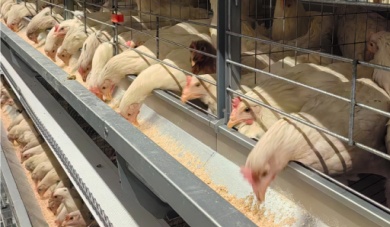
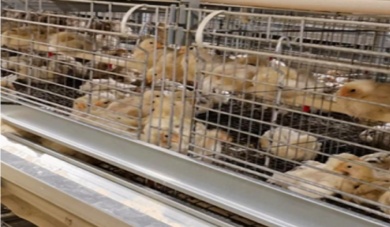
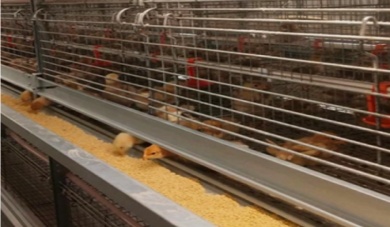
A traditional chicken coop is a freestanding structure that provides a comfortable home for your chickens. This type of coop is ideal for larger backyards or rural properties where space is not as limited. A traditional coop typically includes a spacious interior where chickens can roam, along with nesting boxes, roosting bars, and an outdoor run for free-range activities.
When designing a traditional chicken coop, consider the number of chickens you plan to keep and the space they will need. Each chicken should have at least 3 square feet of indoor space, with an additional 10 square feet of outdoor run space. This ensures that the chickens have enough room to move around, stretch their wings, and engage in natural behaviors.
The traditional chicken coop can also be customized to include additional features, such as a chicken door for easy access to the run, a ramp for chickens to enter and exit the coop, and even an attached garden or vegetable area to allow chickens to scratch and forage for food.
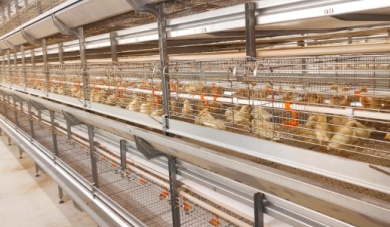
For those with limited space, a stacked chicken coop is an excellent option. This design maximizes vertical space by stacking multiple levels of nesting boxes and roosting areas. A stacked coop is perfect for smaller yards, urban environments, or even for keeping chickens in a barn or shed.
While a stacked chicken coop is space-efficient, it does require careful planning to ensure that each level provides enough room for the chickens to move comfortably. It’s important to create separate levels for nesting, roosting, and feeding to avoid overcrowding. Stacked chicken coops are typically made with durable wood and wire mesh, with ramps to allow chickens to access the upper levels. Each level should have proper ventilation to prevent overheating and ensure good airflow throughout the coop.
An A-frame chicken coop is another popular design, especially for small backyard flocks. This type of coop is lightweight, compact, and easy to move, making it a great option for those who want to rotate their chickens around their yard. The A-frame design allows for natural airflow, which helps keep the coop cool in hot weather, while also providing a sloping roof that sheds rain and snow.
The A-frame coop is typically designed for a small number of chickens and is ideal for free-range setups. While it may not provide as much space as a traditional coop, it is a great choice for those who need a portable, affordable, and easy-to-build solution.
Wood is the most commonly used material for building a chicken coop due to its availability, affordability, and ease of use. It provides excellent insulation, keeping the coop warm in winter and cool in summer. For the main structure, opt for treated lumber or cedar, as these types of wood are resistant to moisture, insects, and decay.
When building a chicken coop with wood, ensure that the wood is sealed properly to prevent rot. You can use a wood sealant or non-toxic paint to protect the wood from the elements. Additionally, make sure to choose untreated wood for areas that the chickens will come into direct contact with, such as nesting boxes and roosting bars.
Wire mesh, also known as hardware cloth, is essential for keeping predators out of the coop. Use it for the walls, windows, and doors of the chicken coop. The mesh should have small enough holes (around ½ inch) to prevent small predators like rats, weasels, and snakes from getting through. It’s also important to bury the mesh at least a few inches into the ground to prevent predators from digging under the coop.
For extra security, you can use double layers of wire mesh on areas that are particularly vulnerable, such as doors and windows. This will provide added protection against any determined predators.
The roof of your chicken coop needs to be durable and weatherproof to protect your chickens from rain, snow, and heat. Common roofing materials include corrugated metal, plastic, or asphalt shingles. Each material has its advantages—metal and plastic are excellent for shedding rain, while asphalt shingles are more visually appealing and provide extra insulation.
Ensure that the roof is sloped enough to allow water to run off easily. A flat roof can cause water to pool, which may lead to leaks and potential damage to the coop structure. Make sure to secure the roofing materials tightly to avoid them being blown away in strong winds.
Before you begin building your chicken coop, it is essential to carefully plan the design and dimensions based on the number of chickens you plan to keep. This step will set the foundation for your project and ensure the coop meets the needs of your flock.
Each chicken should have at least 3 square feet of indoor space in the coop, and a minimum of 10 square feet of outdoor space. This will ensure they have enough room to roam, spread their wings, and engage in natural behaviors. If you plan to keep more than a handful of chickens, consider adding additional space, especially if you live in a humid or hot climate where proper ventilation is essential.
The coop should be divided into different sections:
Nesting Boxes: These should be placed in a dark, quiet corner of the coop to encourage hens to lay eggs. Ideally, each hen should have its own nesting space, with each box measuring around 12 inches by 12 inches.
Roosting Bars: Chickens prefer to sleep off the ground. Provide sturdy, wide roosting bars, typically 2-3 feet above the ground. These bars should be spaced 8-10 inches apart to prevent overcrowding.
Outdoor Run: Consider attaching an outdoor run where chickens can scratch, forage, and exercise during the day. This area should be predator-proof, with sturdy wire mesh fencing and a secure door.
Make sure to include proper ventilation, natural light, and easy access for cleaning. A well-placed door and windows will allow for airflow while keeping the coop dry and comfortable.
The base of your chicken coop is crucial to ensure stability and prevent predators from entering. You can either build the base directly on the ground or raise it off the ground using treated wood or concrete blocks to prevent dampness and pests.
Before you start constructing, make sure the ground is level. A sloping foundation could lead to water accumulation in the coop, which may cause mold or rot over time. If the area is prone to waterlogging, adding a few inches of gravel underneath the base can help improve drainage.
Raising the coop off the ground is essential for protecting the chickens from moisture, pests, and flooding. A raised base also keeps the chicken house cleaner by preventing dirt and mud from entering the coop.
Once the base is ready, you can begin constructing the frame of the chicken coop. Using treated lumber or cedar wood, build the walls, roof, and floor frame.
For a strong, secure structure, use screws or nails to attach the framing pieces. If you plan to build a larger coop, consider reinforcing the structure with metal brackets or support beams.
Accurate measurements are key to building a well-structured chicken coop. Double-check your measurements before cutting and assembling the frame to ensure the coop will fit together properly.
After building the frame, the next step is to secure the chicken coop with wire mesh. Use hardware cloth with small openings (around ½ inch) to keep predators out while allowing ventilation for the chickens.
Make sure to cover all windows, doors, and vents with wire mesh. It’s essential that these are tightly secured with heavy-duty staples, screws, or metal fasteners. For added security, bury the wire mesh about 6 inches into the ground to prevent digging predators like raccoons from getting through.
Carefully check all mesh areas for any gaps or weak points where predators might break in. Even small holes can be enough for rats or snakes to slip through.
The roof of your chicken coop needs to be strong, weatherproof, and angled properly to allow water runoff. You can use corrugated plastic, shingles, or metal roofing depending on your budget and location.
Make sure the roof has a slight slope to allow rain and snow to run off. A flat roof can cause water to pool, which may lead to leaks. Ensure that the roof is securely attached and that all seams are sealed to prevent moisture from entering.
Nesting boxes are essential for hens to lay their eggs in a safe and private space. Each nesting box should be about 12 inches square, and the hens should have easy access to them.
Place the nesting boxes in a secluded, low-traffic area of the coop. You can build a row of boxes against one wall, ensuring each chicken has its own box. Make sure to line the boxes with straw, hay, or wood shavings to keep the eggs clean.
Chickens like to sleep off the ground, so provide roosting bars where they can perch. Install the roosting bars at least 2 feet above the floor, and space them about 8 inches apart. Ensure the bars are wide enough to allow chickens to comfortably perch without overcrowding.
The chicken coop should have at least one large door for easy access when cleaning or collecting eggs. Make sure the door is secure and can be locked to prevent predators from getting in.
Proper ventilation is crucial to avoid overheating in summer and dampness in winter. Install small windows or vents near the top of the coop to allow air to flow through. In hot climates, consider adding adjustable ventilation shutters or vents to regulate airflow.
To ensure the longevity of your chicken coop, finish it with a layer of weatherproof paint or wood sealant. This will protect the wood from the elements and prevent rot.
Make sure to use a non-toxic, water-based paint or sealant that is safe for the chickens. Choose a color that blends with the environment, or you can go for a brighter color for aesthetics.
Keeping the chicken coop clean is crucial for the health of your chickens. Remove bedding and waste once a week, and replace it with fresh straw or wood shavings. This will help prevent the buildup of harmful bacteria and parasites.
Occasionally, sanitize the coop with a mild disinfectant to keep it free of harmful pathogens. Be sure to clean the nesting boxes and roosting bars as well, as they can accumulate bacteria.
Regularly inspect the coop for any signs of wear and tear, especially after storms or harsh weather. Check the roof for leaks, ensure the wire mesh is intact, and make sure the door locks securely.
It’s essential to address any repairs immediately to prevent potential problems, such as predators getting in or the chickens becoming stressed due to an uncomfortable living space.
Ensure that your chickens always have access to clean water and nutritious food. Replace water containers daily, and provide fresh food that meets your chickens' nutritional needs.
Clean the feeders and waterers regularly to prevent mold and bacteria from growing. Dirty containers can lead to health issues for your chickens, so be sure to maintain them.
A chicken coop can serve as a valuable educational tool for children, teaching them responsibility and the importance of caring for animals. It provides a hands-on opportunity for kids to learn about where food comes from and the needs of living creatures.
Chickens produce a lot of waste, but their droppings can be transformed into nutrient-rich compost for your garden. Chicken manure is high in nitrogen and can be added to compost piles to improve soil fertility.
By raising chickens, you can embrace a more sustainable lifestyle. You’ll have access to fresh eggs, reduce food waste by using kitchen scraps as chicken feed, and make use of their manure for composting.
Each chicken needs at least 3 square feet of indoor space in the coop and at least 10 square feet of outdoor space in the run. For more chickens, increase the space accordingly.
It’s recommended to clean the chicken coop at least once a week. Remove bedding and waste, and replace it with fresh materials to maintain a clean and healthy environment.
Yes, you can use recycled materials like old wood, windows, and doors to build your chicken coop, as long as they are in good condition and safe for the chickens.
Make sure all openings, including doors and windows, are covered with hardware cloth or strong wire mesh. Bury the wire mesh at least 6 inches deep in the ground to prevent digging predators.
To keep the chicken coop warm during winter, add insulation to the walls and roof, provide adequate bedding for warmth, and ensure proper ventilation to avoid moisture buildup. You can also use a heat lamp or heated water bowls in extremely cold conditions.