
+86- 15030729981
www.zeushebei.com
www.zeushebei.com
Economic Development Zone, Cang City, Hebei Province, China.

Views: 187 Author: Site Editor Publish Time: 2026-04-10 Origin: Site
You deal with very hot and wet weather in Nigeria. So, you need to build Layer Battery Cage Systems that keep your birds safe. Heat-resistant cages help birds stay healthy. They also help your farm make more eggs. Picking good materials and a strong design makes the cages last longer. It also means you fix them less often. Look at how these important features help your cages last and make more money:
Feature | Impact on Longevity and Profitability |
|---|---|
Durable materials | Keeps cages strong and safe, so they do not fall. |
Corrosion resistance | Helps cages last longer in wet weather and need less fixing. |
Hygiene and waste management | Stops sickness from spreading and saves money. |
Automated systems | Saves work and keeps cages cleaner. |
Long lifespan of materials | Lets you get your money back over 10–15 years. |
Improved feed conversion ratios | Makes feed cost less, so you earn more. |
High-density housing | Uses less land and buildings, so you can grow your farm. |
Heat-resistant cages help birds stay healthy and lay more eggs. This makes your farm earn more money. - Pick strong materials that do not rust. This helps cages last longer and need less fixing. - Good airflow is very important. It controls wetness in the air and keeps birds comfy. This lowers stress and sickness. - Use cooling tools like fans and fogging systems to fight heat. These tools help birds feel better. - Check and fix cages and airflow systems often. This stops heat problems and keeps birds laying eggs.
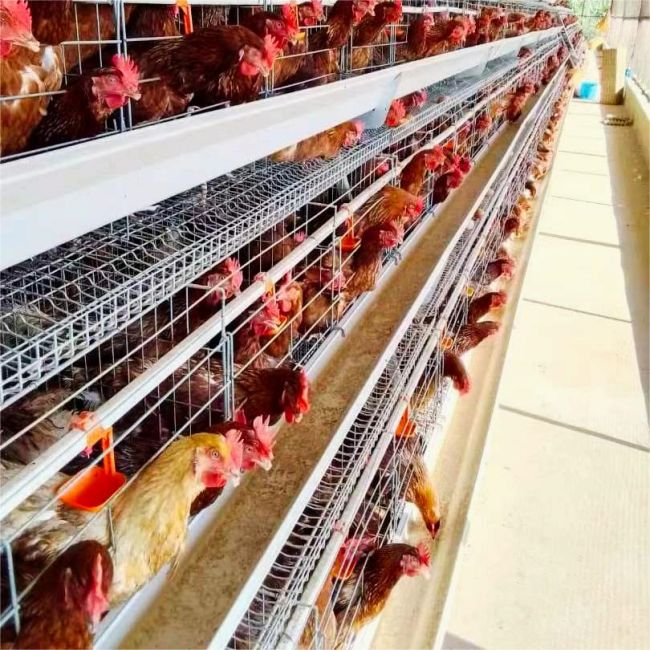
Nigeria gets very hot, especially in the dry season. Hot weather causes problems for chickens. When it is too warm, birds eat less food. They drink more water to stay cool. This makes them lose weight and lay fewer eggs. The eggs may not be as good as before. Sometimes, egg numbers drop a lot when it is over 85ºF. Birds can get stressed and breathe fast or pant. If the heat stays, some birds may die from heat stroke. High heat can change blood levels and hurt how birds reproduce. These problems make your farm earn less money and hurt your birds.
Hot weather makes birds eat less and lay fewer eggs.
Chickens lose weight and eggs are not as good.
Birds pant and breathe fast when stressed.
More birds die when it is very hot.
Good ventilation keeps chickens healthy in Nigeria. Airflow takes away hot air and brings in fresh air. This helps control humidity and keeps birds comfortable. If humidity is not managed, diseases can spread fast. High humidity and bad airflow cause breathing problems and stress. Fans, tunnel systems, and foggers help move air better. Forced ventilation keeps air moving and lowers humidity. Tunnel ventilation moves air well through cages. Controlling humidity stops disease and helps birds lay more eggs.
Good airflow stops breathing problems in chickens.
Managing humidity lowers stress and disease.
Better air movement can make cages cooler by 3–4°C.
Tip: Always check and clean your ventilation systems to get the best results.
You need strong materials for your battery cage system. Galvanized wire is a good choice for poultry cages in Nigeria. The zinc coating on the wire helps it last longer, even when the weather changes a lot. This coating gives some protection from rust and helps the cage stay strong in hot weather. Galvanized wire is light and does not cost much money. You can use it for short projects or in places that are not very wet. But, it does not last as long as hot-dip galvanized wire if it gets very wet.
Aspect | Description |
|---|---|
Corrosion Resistance | The zinc coating gives some protection from rust, so the cages last longer. |
Heat Resistance | The coating helps the cage stay strong when it gets hot or cold. |
Advantages | It is cheap, light, and good for short use in dry places. |
Disadvantages | It does not stop rust as well and does not last as long as hot-dip galvanized wire. |
You should check the wire often for rust or damage. This keeps your birds safe and your cages strong.
How you build your cage matters for heat. Multi-tier open designs let air move around each layer. This stops hot spots and keeps the cages cooler. You should put air inlets and outlets in smart places. This pushes out old air and brings in fresh air. Using materials that do not rust keeps your cages strong, even when it is humid. You can add fans to help move air on hot days.
Feature | Benefit |
|---|---|
Multi-tier Open Design | Lets air move around layers and stops hot spots. |
Optimized Air Inlet and Outlet Placement | Helps push out bad air and bring in fresh air. |
Corrosion-Resistant Materials | Makes cages last longer in wet places. |
Compatibility with Mechanical Fans | Lets you add fans for more air when it is hot. |
If you put too many birds in one cage, it gets hot fast. This makes birds stressed and they lay fewer eggs.
Birds need space to spread their wings to cool off.
Caged birds cannot move to cooler spots, so you must make the layout comfortable.
High heat can make birds lay fewer eggs and the eggs may not be as good.
You can use special perches that stay cool to help birds feel better.
A good cage layout helps your farm work better and keeps your birds healthy.
Ventilation is very important in a heat-resistant cage. You can use A-type layer cages for the best airflow. These cages work well in hot places like Nigeria. H-type battery cages also help air move better, up to 30% more than regular cages. This keeps your birds cool and helps stop heat stress.
Equipment Type | Ventilation Effect | Suitability for Tropical Climates |
|---|---|---|
A Type Layer Cage | Best airflow | Very good for hot places |
H-type battery cages move air better by 30%.
Good ventilation lowers humidity and keeps birds happy.
You should clean your ventilation systems often. This keeps air moving and helps your birds stay healthy.
You can use different cooling tools to fight heat in your poultry house. Fans move air and make it cooler. Interior fogging adds water to the air, which cools things down. Sprinkler systems spray water on the birds to help them cool off. Having fewer birds in each cage also helps. This gives each bird more space and makes it easier for them to eat and drink.
Cooling Technology | Description |
|---|---|
Fans | Move air in the house and help birds stay cool. |
Interior Fogging | Adds water to the air to lower the temperature. |
Sprinkler Systems | Spray water on birds to cool them down. |
Reduced Stocking Density | Gives birds more space and helps them get food and water. |
You can use smart sensors to watch the climate in your poultry house. Tools like the PENKEEP tool check the temperature and humidity all the time. These sensors send alerts by SMS or email if something is wrong. Automated ventilation systems need less work and give more alarms when the air is not right. This helps you fix problems fast and keeps your birds safe.
Aspect | Automated Ventilation | Manual Ventilation |
|---|---|---|
Oxygenation Quality | Both work the same | Both work the same |
Manual Interventions Required | Needs less work | Needs more work |
Alarms Related to Oxygenation | Gives more alarms | Gives fewer alarms |
Tip: Use automated systems and sensors for better control and quick action. This makes your farm work better and helps your birds stay safe.
You can get strong materials for your cages in Nigeria. Local sellers have galvanized wire, steel frames, and plastic trays. These help cages last in heat and wet weather. Buying local saves money and helps your area. You also get your supplies faster and fix things more easily. Always check if the materials stop rust and handle hot or cold days. Picking good materials makes your farm work better and grow.
You must follow the right steps to set up cages. A smart design lets air move and keeps things cool. If cages are close to walls or fences, air cannot flow. This makes it hotter and hurts your birds. If drains are blocked, water builds up and breaks the system. Putting things on top of cages stops air from moving. This makes cooling systems not work well. Using the wrong cage size stops air and lowers egg numbers. Keep cages clean and clear for best results.
Do not put cages by walls or fences.
Make sure drains are open.
Never put things on top of cages.
Pick the right cage size for your birds.
Tip: Check your cooling and climate control often. This helps you find problems early and keeps your birds healthy.
You can make old cages better for heat. Add fans or new cooling systems to move air. Change old wires to galvanized ones to stop rust. Put in sensors to watch heat and wetness. These changes help your farm make more eggs in hot weather. You can also fix feeding and watering to fit the new setup. Better systems mean more eggs and healthier birds.
Note: Upgrading your system saves money and helps you get more eggs in Nigeria’s hot weather.
You need to check your poultry house for heat stress often, especially in Nigeria’s climate. Good ventilation helps keep the air fresh and cool. Place your sheds so they catch the breeze. Use reflective roofing to bounce away sunlight. Circulation fans and ridge ventilation systems move hot air out. Wind-driven turbine ventilators also help. Lowering the number of birds in each cage gives them more space to cool off. Ceiling insulation keeps the heat out. Feed your chickens during cooler times of the day. Always give them cool water and check water lines for leaks or blockages.
Check ventilation and airflow daily.
Use fans and reflective roofs to reduce heat.
Keep stocking density low.
Insulate ceilings and adjust feeding times.
Make sure water is always cool and clean.
Regular cleaning and upkeep protect your cage systems from damage and keep chicken health strong. Each season needs special care:
In spring, wash cages with soap and water. Tighten bolts and anchors. Lubricate hinges and add a protective coat if needed.
In summer, trim plants around the cages. Check locks every month. Rinse cages after storms or mowing.
In fall, deep clean before cold weather. Paint over any chips and drain water near pads.
In winter, remove snow from cages. Inspect bolts monthly. Do not use salt near the base.
Routine maintenance stops wear and tear. Remove manure often and fix small damages quickly. Automated manure removal systems help prevent too much moisture, which can raise humidity and cause problems.
Tip: Healthy chickens lay more eggs and live longer when you keep their cages clean and well-maintained.
Watch for early warning signs of heat stress or system failure. Chickens may eat less, move less, or spend more time drinking and panting. You might see fewer eggs or lower egg quality. More birds may die if the heat is too high.
Indicator | Description |
|---|---|
Fecal IgA | Lower levels show stress; long heat stress lowers plasma IgA. |
Feather CORT | Higher levels mean chronic stress in hens, especially in battery cages. |
If you notice these signs, act fast to fix the problem. Early action keeps your poultry healthy and protects your farm’s productivity.
You can learn a lot from other poultry farms in Nigeria that have switched to heat-resistant layer battery cage systems. These farms faced high temperatures and humidity, just like you do. They needed solutions that would keep their birds healthy and boost egg production.
Many farms chose H-type poultry cage system designs. These cages use high-quality, corrosion-resistant steel. You get a system that lasts up to 20 years, even in tough weather. The design lets air move freely, so hens stay cool and calm. When birds feel less stress, they lay more eggs. Some farms saw egg production rates go up by 15 to 20 percent after making the switch.
Automated systems also made a big difference. With automatic egg collection and cleaning, you spend less time on manual work. Some farms cut labor costs by half. Fewer eggs break because machines handle them gently. You can focus on other parts of your farm while the system runs smoothly.
Here are some benefits Nigerian poultry farms have reported:
Better use of space and improved airflow in the poultry house
Higher egg production and better egg quality
Less stress for hens, leading to healthier birds
Lower labor costs and fewer broken eggs
Durable cages that last many years
Note: When you invest in a heat-resistant cage system, you help your farm grow and stay profitable. You also protect your birds from heat stress and disease.
These real-life results show that the right cage design can change your production for the better. You can use these ideas to improve your own farm and see similar success.
You can make heat-resistant layer battery cage systems by picking strong materials. Plan for good airflow in your cages. Use smart cooling tools to help your birds. These steps keep your birds healthy and less stressed. You will get better eggs and more of them. Using these ideas in Nigeria helps your birds feel good. Your farm will also make more eggs and do better.
Start now to keep your birds safe and help your farm grow later.
You use strong, rust-proof materials and design cages for good airflow. Fans, sensors, and cooling tools help keep birds cool. These features protect your chickens from heat stress.
You should check your ventilation systems every day. Clean fans and air inlets weekly. This keeps air moving and helps your birds stay healthy.
Yes! You can add fans, change to galvanized wire, and install sensors. These upgrades help your old cages work better in hot weather.
Heat-resistant cages help your birds stay healthy and lay more eggs. In nigeria, high temperatures can hurt your chickens. Good cage design protects your farm and helps you earn more.


