
+86- 15030729981
www.zeushebei.com
www.zeushebei.com
Economic Development Zone, Cang City, Hebei Province, China.

Views: 120 Author: Site Editor Publish Time: 2026-02-13 Origin: Site
The poultry industry plays a vital role in meeting the world's growing demand for eggs, with millions of eggs produced each day to supply markets worldwide. As the demand for eggs continues to rise, poultry farmers are increasingly turning to innovative technologies that not only boost production efficiency but also prioritize animal welfare. One such technology is layer cage equipment, a modern solution that allows for the optimal management of hens while ensuring their well-being.
Layer cage systems have become a cornerstone of commercial egg production, offering several key advantages for both farmers and hens. These systems are designed to balance the needs of efficient egg production with the humane treatment of laying hens. By providing an environment that promotes the natural behavior of hens while optimizing productivity, layer cages are transforming the way poultry farming is conducted. In this blog, we will explore how layer cage equipment contributes to higher yield while ensuring the welfare of the animals.
Layer cage equipment is specifically designed to maximize space utilization, which is a key factor in improving the efficiency and productivity of egg production. Traditional farming systems, such as free-range or barn systems, often require large expanses of land, making them not only costly to maintain but also difficult to manage. These systems often spread hens across wide areas, which can lead to less control over their living conditions and environmental factors. In contrast, layer cage systems allow for much higher-density housing, making them an ideal solution for maximizing production within a smaller, more manageable footprint.
One of the key features of layer cage systems is their vertical design. Hens are housed in individual cages that are stacked in multiple layers, allowing farmers to house more hens per square meter of space. This vertical approach significantly increases the overall egg production capacity of a farm without the need for additional land or major infrastructure investments. By housing hens in a confined but well-structured environment, layer cage systems help optimize space usage and increase egg production efficiency.
In addition to boosting productivity, these systems also provide the flexibility to house large numbers of hens in a compact area, which is particularly beneficial for farmers who may have limited land availability. The cages are designed to provide adequate space for each hen to perform essential natural behaviors, such as nesting, perching, and laying eggs. Despite the high-density housing, this thoughtful design ensures that hens can still live comfortably, promoting better health, higher productivity, and more efficient use of resources.
By optimizing space, layer cage systems make it possible to increase egg production while reducing the need for extensive land use. This makes them a cost-effective solution for farmers looking to improve their yield without compromising on quality or animal welfare. Furthermore, the compact design allows farmers to focus on operational efficiency and reduce overhead costs, ensuring sustainable and profitable egg production.
The automated egg collection system in layer cages significantly enhances productivity while maintaining a clean environment. In traditional systems, collecting eggs from individual hens can be a time-consuming and labor-intensive process, often leading to handling stress and potential damage to eggs. Layer cage systems, on the other hand, feature automated egg collection conveyors that transport eggs directly from the cages to collection trays, reducing human labor and the risk of egg breakage.
The design of the cages also promotes cleanliness and hygiene, two essential aspects of both high-quality egg production and hen welfare. The cages are constructed with smooth surfaces that are easy to clean, and waste is automatically collected, reducing the accumulation of droppings inside the cages. This not only keeps the hens' living environment cleaner but also minimizes the risk of disease transmission, which can negatively affect both egg quality and hen health.
In addition, the improved hygiene reduces the need for frequent interventions or treatments, as the risk of infections and pests is minimized. This contributes to a more stable and efficient egg production environment where hens are kept healthier and produce eggs consistently.
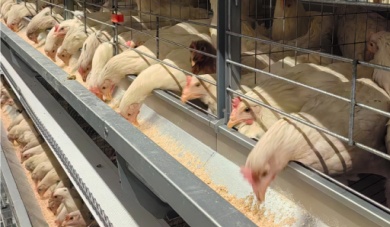
While layer cage systems are often associated with high-density housing, they are designed with features that prioritize the welfare of the hens. Modern layer cages are equipped with adjustable features that allow farmers to customize the environment to suit the hens' needs. These features include adjustable lighting, temperature controls, and ventilation systems that can be modified based on the hens’ behavior and health requirements.
Proper lighting is essential for regulating laying cycles, and many layer cage systems include light control systems that mimic natural day-night cycles, promoting healthier laying patterns and reducing stress in the hens. The temperature and ventilation systems are equally important in preventing heat stress and maintaining optimal conditions for the hens, further contributing to their well-being.
Additionally, modern cages are designed with comfortable perches, nesting areas, and spaces for hens to engage in natural behaviors. By providing a space where hens can rest, move, and lay eggs in a stress-free environment, layer cages support the hens' physical and psychological health. The ability to meet the basic behavioral needs of hens without compromising their productivity ensures that they can produce eggs efficiently while maintaining good health and comfort.
One of the main advantages of layer cage systems is their ability to provide hens with consistent and efficient access to feed and water. The design of the cages incorporates automated feeding and watering systems that ensure each hen receives the appropriate amount of nutrition and hydration throughout the day.
The automated feeding systems in layer cages use troughs or conveyor belts to deliver feed to the hens, ensuring that each hen has easy access to fresh food without the risk of overcrowding. The precise delivery of feed minimizes waste and ensures that the hens are consuming the necessary nutrients to produce high-quality eggs. Similarly, the automated watering systems provide a constant supply of clean water, preventing dehydration and improving overall egg production.
The efficiency of these systems contributes to both the hens' well-being and the farm's productivity. By ensuring that feed and water are always available, layer cage equipment helps hens maintain good health, which in turn supports consistent egg production.
Stress is one of the most significant factors affecting the health and productivity of laying hens. In traditional systems, hens often experience stress due to overcrowding, competition for food and water, and exposure to environmental factors like extreme temperatures. This stress can lead to reduced egg production, weaker immune systems, and increased susceptibility to disease.
Layer cage systems are designed to reduce stress by providing each hen with its own space. The cages are typically sized to provide the hens with enough room to move comfortably and engage in natural behaviors without the stress of overcrowding. Additionally, the cages' smooth surfaces and rounded edges help prevent injury, such as abrasions or broken feathers, which are common in traditional systems.
By reducing stress and injury, layer cages help improve the health and productivity of the hens, leading to higher egg production rates and fewer health-related issues. This not only benefits the hens but also improves the overall efficiency and profitability of the farm.
While the initial investment in layer cage equipment may seem higher compared to traditional farming systems, the long-term benefits outweigh the costs. The automated features, such as egg collection systems, feeding, and watering systems, significantly reduce labor costs and increase operational efficiency. The efficiency of layer cages ensures that farmers can produce more eggs with fewer resources, resulting in a higher return on investment.
Moreover, the durability and ease of maintenance of modern layer cage systems contribute to long-term cost savings. The materials used in their construction are designed to withstand wear and tear, and many systems are designed to be easy to clean and maintain. By reducing downtime and minimizing the need for frequent repairs, layer cage systems provide a sustainable and cost-effective solution for egg production.
Layer cage equipment offers a highly efficient and humane solution to the challenges of modern egg production. By optimizing space usage, improving egg collection, maintaining a clean and healthy environment, and prioritizing animal welfare, these systems help poultry farmers achieve higher yields while ensuring the well-being of the hens. The automation and customization options available in modern layer cages make them a valuable investment for any farm looking to increase productivity and reduce operational costs.
At Hebei Zeus Machinery Manufacturing Co., Ltd., we specialize in providing high-quality layer cage systems that meet the needs of modern poultry farms. Our equipment is designed to ensure both efficiency and humane treatment of hens, contributing to sustainable farming practices and higher yields. We invite you to learn more about our range of layer cage equipment and how it can enhance your egg production. Contact us today to explore the benefits of investing in advanced poultry farming solutions.


