
+86- 15030729981
www.zeushebei.com
www.zeushebei.com
Economic Development Zone, Cang City, Hebei Province, China.

Views: 134 Author: Site Editor Publish Time: 2026-02-20 Origin: Site
When it comes to managing a successful duck breeding operation, creating an optimal environment for your ducks is crucial. Duck breeding cages, which provide a contained, safe, and controlled environment for breeding, play a key role in ensuring the health, well-being, and productivity of your ducks. These cages are designed to house ducks during breeding seasons, providing them with the comfort, privacy, and space necessary for laying eggs and rearing ducklings.
In this article, we will discuss what to put in a duck breeding cage to ensure that your ducks thrive and that your poultry operation is as efficient as possible. From nesting boxes to water systems, every component of the cage setup is designed to make the breeding process smoother for both the ducks and the poultry farmer. We will cover everything from cage setup to essential equipment, and best practices for maintaining a clean, comfortable, and productive environment for your ducks.
At Hebei Zeus Machinery Manufacturing Co., Ltd., we specialize in designing and manufacturing high-quality duck breeding cages that help poultry farms optimize their operations. Our cages are built with durability, efficiency, and ease of use in mind. Contact us for more information on how our products can support your duck breeding needs.
When setting up a duck breeding cage, several essential components are required to ensure the ducks are comfortable, healthy, and productive. Here’s a breakdown of what to include in your cages:
Nesting boxes are an essential feature in any duck breeding cage. Ducks need a private, secure space where they can lay their eggs comfortably. By providing them with nesting boxes, you ensure they have a designated area for egg-laying, which not only improves their overall well-being but also optimizes egg collection and productivity. Each nesting box should be spacious enough to accommodate one or two ducks, allowing them to feel safe without overcrowding.
Why Nesting Boxes Are Important:
Privacy and Comfort: Ducks, like most animals, require privacy to feel secure while laying their eggs. A nesting box provides them with a peaceful space that reduces stress and allows them to focus on laying eggs.
Encourages Controlled Egg-Laying: By offering ducks a private space to lay their eggs, nesting boxes ensure that the eggs are laid in a designated area, making it easier for farmers to collect eggs and keep track of egg production.
Reduces Egg Breakage and Contamination: A proper nesting box ensures that the eggs are laid in a clean environment, minimizing the chances of contamination or breakage. It helps maintain the integrity of the eggs and ensures better quality.
Recommended Features for Nesting Boxes:
Comfortable Bedding: Soft bedding materials like straw, wood shavings, or hay should be used to line the nesting boxes. These materials offer comfort to the ducks and help absorb moisture, keeping the eggs clean.
Clean and Dry Environment: Maintaining a dry, clean nesting box is crucial for preventing the growth of bacteria and fungi. This reduces the risk of infection and other health issues that could affect the ducks and the eggs.
Ventilation: Adequate ventilation is necessary to ensure proper air circulation within the nesting box. This prevents excess humidity and promotes a healthy environment for the ducks and their eggs.
Ducks need access to clean water at all times, not only for drinking but also for preening and washing. A water system in the breeding cage ensures ducks can access water without making a mess in the cage. In many cases, automatic waterers or troughs are used, allowing ducks to drink and bathe without spilling water around their living area.
Why Water Systems Are Important:
Keeps ducks hydrated, which is essential for egg production and overall health.
Provides ducks with the opportunity to clean themselves, reducing the risk of disease.
Helps maintain cleanliness in the breeding cage by limiting water spillage.
Recommended Features for Water Systems:
Automatic waterers or nipples to prevent water wastage.
Easily refillable containers for consistent access to fresh water.
A drainage system to ensure the water does not overflow or create wet, unhealthy conditions.
A reliable feeding system is vital for ducks in a breeding cage. Feeding trays or troughs should be spacious enough to accommodate multiple ducks and prevent overcrowding during feeding times. The feeding system should be designed to minimize waste and ensure ducks receive balanced nutrition.
Why Feeding Trays Are Important:
Ensures ducks have easy access to food.
Reduces the likelihood of food spillage and waste.
Encourages regular feeding habits, which are essential for egg production.
Recommended Features for Feeding Trays:
Large, shallow trays that prevent food from being scattered outside the cage.
Non-slip surfaces to avoid food spillage.
Regular cleaning to prevent mold growth and contamination.
Duck breeding cages must provide a well-ventilated environment to ensure proper airflow and prevent the buildup of moisture and odors. Ducks are sensitive to temperature fluctuations, so maintaining a comfortable temperature range is essential for optimal breeding conditions.
Why Ventilation and Temperature Control Are Important:
Proper airflow helps maintain the health of ducks by preventing respiratory issues.
Ensures the breeding environment remains comfortable, especially during hot or cold weather.
Helps prevent excess moisture buildup, which can lead to bacterial growth and other health issues.
Recommended Features for Ventilation:
Adjustable ventilation slats or fans to control airflow.
Temperature regulation systems, such as fans or heating pads, to maintain a comfortable temperature year-round.
Keeping the duck breeding cages clean is essential for maintaining duck health and productivity. The bedding material should be absorbent, easy to replace, and hygienic. Quick removal of waste helps prevent the buildup of harmful bacteria and odors that can affect both ducks and eggs.
Why Clean Bedding and Waste Management Are Important:
Reduces the risk of disease and infections.
Keeps the environment comfortable and stress-free for the ducks.
Promotes a clean and efficient breeding process.
Recommended Features for Bedding:
Soft, absorbent materials like straw, sawdust, or wood shavings.
Regular cleaning and changing of bedding to ensure cleanliness.
Waste management systems such as trays that can be easily cleaned and replaced.
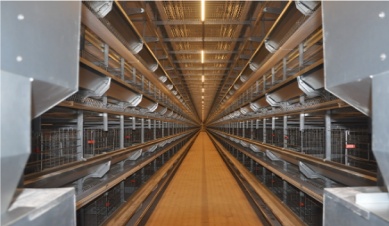
The use of well-designed duck breeding cages can provide several benefits to poultry farmers. These benefits include:
Increased Productivity: By creating an ideal environment for breeding, duck breeding cages can help optimize egg production, resulting in a higher yield for farmers.
Better Health and Hygiene: Clean, controlled environments prevent disease, parasites, and stress, which can negatively affect the health of ducks.
Time-Saving: Cages help farmers collect eggs more efficiently and reduce the time spent managing the flock, which boosts overall farm productivity.
Space Efficiency: Duck breeding cages maximize space, making it easier for farmers to house a larger number of ducks without overcrowding.
To get the most out of your duck breeding cages, it’s important to follow best practices for their use and maintenance. Here are some tips for farmers:
Regularly Monitor Egg Production: Keep track of the number of eggs laid and the health of the ducks to ensure optimal performance.
Clean the Cages Frequently: Ensure bedding and waste are replaced regularly to maintain a clean environment and prevent disease.
Check Water and Feed: Ensure that the water and feeding systems are always stocked and working properly.
Provide Adequate Space: While breeding cages are designed to save space, be sure that each duck has enough room to move freely, especially when multiple ducks are housed together.
Duck breeding cages are essential tools for modern poultry farms, offering farmers the ability to efficiently manage their breeding operations while ensuring the health, comfort, and productivity of their ducks. By providing a controlled environment with features like nesting boxes, proper ventilation, and easy waste management, these cages make breeding more streamlined and effective.
At Hebei Zeus Machinery Manufacturing Co., Ltd., we specialize in high-quality duck breeding cages designed to improve your farm's operations. Our cages are designed for durability, efficiency, and ease of use. Whether you're looking to increase egg production or improve the overall health of your flock, our cages are the perfect solution. Feel free to contact us to learn more about how our products can meet your duck breeding needs.
Q1: How many ducks should be housed in each breeding cage?
The number of ducks per cage depends on the size of the cage and the species of duck. Typically, 2-3 ducks per cage is ideal to avoid overcrowding.
Q2: How often should I clean the breeding cages?
Cages should be cleaned regularly, ideally once a week or whenever bedding becomes soiled to maintain hygiene and reduce the risk of disease.
Q3: Can I use duck breeding cages for other poultry?
Yes, duck breeding cages can also be used for other poultry species, such as chickens, provided the cages are appropriately sized for the animals.
Q4: How can I ensure the health of my ducks in the breeding cages?
Provide clean water, nutritious food, and regularly check for signs of illness. Additionally, ensure the cage is kept clean and well-ventilated for optimal health.


