
+86- 15030729981
www.zeushebei.com
www.zeushebei.com
Economic Development Zone, Cang City, Hebei Province, China.

Views: 140 Author: Site Editor Publish Time: 2026-02-26 Origin: Site
As a poultry farm operator, one of the key elements in raising healthy and productive ducks is ensuring they have access to fresh, clean water at all times. Ducks, like all waterfowl, require water not just for hydration but also for their unique feeding habits, where they often dip their beaks in water to aid digestion and maintain hygiene. Providing an efficient and clean water source is crucial to their overall health and productivity.
While traditional methods like bowls or troughs have been used to provide water for ducks, advancements in watering systems now offer more efficient, hygienic, and manageable solutions. One such solution is the automatic drinking system for ducks, which is revolutionizing the way poultry farms manage water provision.
In this article, we will explore the best ways to provide water to ducks, the benefits of automatic drinking systems, and how these modern solutions can significantly improve water distribution and duck health.
Ducks require water for several key reasons:
Hydration: Like all animals, ducks need a consistent supply of clean water to stay hydrated and maintain optimal bodily functions.
Digestive Aid: Ducks dip their food in water to moisten it, aiding in the digestion process. This behavior is essential for their health and efficient digestion.
Hygiene: Ducks use water to clean their beaks and faces, reducing the risk of infections and keeping their feathers in good condition.
Thermoregulation: Ducks also use water to help regulate their body temperature, especially during warmer weather.
Ensuring that ducks have access to fresh water at all times is not just a necessity for their survival, but also an important factor in ensuring the quality and productivity of a poultry farm.
Traditional watering systems, such as bowls and troughs, have been staples in poultry farming for many years. While these methods can work for small-scale operations, they come with several challenges that make them less efficient and hygienic as farm sizes increase. These challenges include:
One of the biggest issues with traditional duck watering methods is contamination. Ducks are naturally messy creatures, and when they drink, they often splash water outside the bowls or troughs. This not only wastes water but can also lead to the water becoming dirty, as ducks sometimes dip their beaks and even defecate in the water. The result is that the water may become contaminated with dirt, droppings, and other debris, which poses a significant health risk to the ducks. Dirty water can lead to diseases, dehydration, and poor overall health among the flock. As a result, farm operators often need to clean the containers several times a day to ensure the water remains safe, leading to increased labor costs and time.
Traditional watering systems are also labor-intensive. In larger operations, where there may be hundreds or even thousands of ducks, workers need to refill bowls and troughs multiple times a day. This can be a time-consuming and physically demanding task, especially during peak production times. The constant need for refilling and cleaning can take up a significant portion of the farm workers' time, reducing their ability to focus on other important tasks like feeding, monitoring health, and managing overall farm operations. For larger farms, manual watering systems become impractical and inefficient.
Water wastage is another significant challenge. Ducks often knock over or spill water from traditional bowls and troughs, especially as they dip their beaks and move around. This leads to a considerable amount of water being wasted, which can drive up water costs, especially in areas where water is a limited resource or expensive. Wasted water not only adds unnecessary costs to the farm's operations but also contributes to environmental concerns related to water conservation.
As farms grow and expand, these traditional methods become increasingly inefficient and problematic. The need for more sustainable, hygienic, and efficient watering solutions has led to the development of automatic drinking systems, which can address these challenges by providing consistent access to clean water while reducing waste, labor costs, and contamination risks.
An automatic drinking system is an advanced water supply system designed specifically for poultry farming. These systems are designed to provide ducks with a continuous, clean water supply in a way that minimizes waste and reduces labor costs. Some key benefits of automatic drinking systems include:
Consistent Water Supply: Automatic drinking systems ensure that ducks always have access to clean water, reducing the risk of dehydration.
Water Hygiene: These systems are designed to minimize water contamination. Many systems feature nipple drinkers or other mechanisms that reduce the chances of ducks splashing water outside, ensuring cleaner water at all times.
Labor Efficiency: With automatic systems, farm workers no longer need to spend time refilling water containers. The system does this automatically, allowing workers to focus on other important tasks.
Water Conservation: Automatic drinking systems minimize water wastage, reducing costs and making operations more sustainable.
Healthier Ducks: By providing a clean, continuous water supply, ducks are less likely to suffer from waterborne diseases or dehydration, which leads to healthier and more productive ducks.
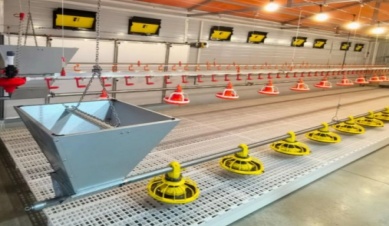
There are several types of automatic drinking systems available, each designed to meet the specific needs of duck farming:
Nipple drinkers are one of the most common types of automatic drinking systems. These systems feature a nipple mechanism that allows ducks to drink by pecking at it. The system releases water only when the duck interacts with the nipple, which prevents spills and contamination.
Advantages: Water is dispensed only when the duck needs it, reducing waste. Nipple drinkers are also hygienic and require minimal cleaning.
Disadvantages: Ducks may initially need time to learn how to use nipple drinkers, though this is typically a minor challenge.
For farms that prefer a more traditional setup, automatic bowl or trough drinkers are available. These drinkers use an automatic valve system to maintain water levels in the troughs, ensuring ducks have a constant supply of water.
Advantages: Easy to install and can be used in larger setups. Ducks are familiar with these types of drinkers, which reduces the learning curve.
Disadvantages: Although more efficient than traditional methods, they can still be prone to water contamination if not maintained properly.
Drip cups are similar to nipple drinkers but designed specifically for ducks. These cups are designed to allow ducks to drink without splashing water, minimizing waste and contamination.
Advantages: Provides clean water with minimal waste.
Disadvantages: Requires careful placement to ensure all ducks can easily access the water.
When selecting an automatic drinking system for your poultry farm, several factors should be considered to ensure the system is both efficient and effective:
Farm Size: Larger farms may benefit from more advanced systems, such as nipple drinkers or drip cups, which are easier to manage on a large scale.
Duck Behavior: Some systems may be more suitable for ducks, who are messier drinkers compared to chickens. Look for systems that minimize spillage and contamination.
Water Quality: Ensure that the system you choose maintains water hygiene. Some systems include filtration or cleaning mechanisms to keep water fresh.
Budget: The initial investment in an automatic drinking system can vary. It’s important to choose a system that fits within your budget while also offering long-term savings in water conservation and labor costs.
Providing ducks with a continuous, clean supply of water is essential for their health and productivity. While traditional watering methods can be sufficient for small operations, automatic drinking systems offer significant advantages in terms of efficiency, water conservation, and hygiene. By choosing the right automatic drinking system for your farm, you can ensure that your ducks receive the best care, ultimately leading to healthier animals and improved productivity.
At Hebei Zeus Machinery Manufacturing Co., Ltd., we specialize in high-quality, efficient automatic drinking systems designed specifically for poultry farms. If you're looking to improve the water supply in your duck farm and reduce waste, our solutions can help you achieve greater efficiency and healthier ducks.
1. How do automatic drinking systems work for ducks?
Automatic drinking systems use mechanisms like nipple drinkers or drip cups to supply water when needed, ensuring clean and fresh water with minimal waste.
2. Are automatic drinking systems suitable for large farms?
Yes, automatic drinking systems are ideal for large farms as they provide a consistent water supply while reducing labor and water wastage.
3. How do I maintain an automatic drinking system?
Routine cleaning and occasional maintenance are required to ensure the system works efficiently. Regularly check for blockages and ensure the water lines are clear.
4. Can automatic drinking systems prevent water contamination?
Yes, automatic systems are designed to minimize contamination by reducing spillage and maintaining cleaner water for your ducks.


