
+86- 15030729981
www.zeushebei.com
www.zeushebei.com
Economic Development Zone, Cang City, Hebei Province, China.

Views: 134 Author: Site Editor Publish Time: 2026-02-23 Origin: Site
As poultry farming continues to evolve, one of the key factors for ensuring healthy and productive ducks is the right environment. For duck breeders, selecting the appropriate duck breeding cages is essential to maintaining the welfare of the birds while optimizing egg production and breeding efficiency. A good breeding cage ensures that ducks are comfortable, well-protected, and provided with the necessary space to move around, all while making breeding more manageable for farm operators.
In this article, we will explore the important signs of a good duck breeding cage. We will discuss the factors that contribute to the comfort and productivity of ducks, the essential features that every cage should have, and how choosing the right cage can positively impact your poultry farming operation. For poultry farms aiming for efficiency and long-term success, understanding these signs is crucial to making the best choice for your ducks. At Hebei Zeus Machinery Manufacturing Co., Ltd., we specialize in providing high-quality, durable breeding cages that enhance the health and productivity of ducks in any poultry farm.
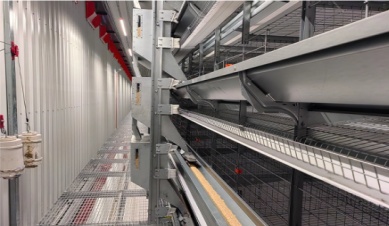
When considering duck breeding cages, it’s essential to look for several key features that directly impact the health and productivity of your ducks. These cages should offer comfort, safety, and practicality for both the ducks and farm operators. Below are the most important signs of a good breeding cage:
A good duck breeding cage should provide enough space for the ducks to move around comfortably. Ducks are relatively large birds, and when they are confined to cages that are too small, they may become stressed, which can negatively affect their health and productivity. The cage should be spacious enough to allow the ducks to stand, sit, and move freely without overcrowding.
Overcrowding can lead to increased aggression, disease transmission, and reduced egg production. As a general rule, ensure that each duck has sufficient space to spread its wings, rest, and engage in natural behaviors. Space also prevents excessive waste accumulation and helps maintain good hygiene within the cage.
The materials used in the construction of duck breeding cages play a vital role in their overall quality and longevity. Good cages are made from high-quality materials that can withstand constant use and exposure to moisture and waste. The most common material used for these cages is galvanized steel, which offers durability and corrosion resistance, ensuring that the cage maintains its strength and functionality over time.
The cage’s frame should be robust and designed to withstand the weight of the ducks as well as any environmental factors such as humidity and cleaning chemicals. If the cage is not made from durable materials, it may break down or become ineffective, leading to unnecessary costs and potentially compromising the welfare of your ducks.
Proper ventilation is crucial in duck breeding cages to ensure that the ducks receive enough fresh air and that waste gases, such as ammonia, are properly ventilated. Without proper airflow, the environment inside the cage can become unpleasant and even harmful to the ducks’ health.
A good breeding cage should have mesh or wire panels that allow for adequate ventilation. The design of the cage should also ensure that air flows freely throughout the enclosure, preventing the buildup of harmful gases and excess humidity. A well-ventilated cage helps to maintain a cleaner, healthier environment and reduces the likelihood of respiratory diseases among the ducks.
Efficiency in feeding and cleaning is one of the most important practical features of a duck breeding cage. Farmers need cages that allow for quick and easy access to feed and water containers while also making it easy to clean out waste and maintain proper hygiene. This is essential for the health of the ducks and the overall productivity of the farm.
Good cages will feature removable trays or floors to collect waste, making cleaning more efficient. The trays should be easy to slide in and out, allowing for quick disposal of waste. In addition, the design of the cage should allow for easy filling of water and food containers, reducing the time spent managing the ducks’ daily needs.
Ducks are vulnerable to various predators and environmental factors. A good duck breeding cage provides a safe and secure environment to protect the ducks from harmful elements, such as predators, harsh weather, and potential accidents within the cage.
The cage should have secure doors, strong mesh panels, and protective covers to keep the ducks safe from external threats. It should also be designed to shield the ducks from extreme weather conditions, such as direct sunlight or heavy rain, ensuring that they are comfortable and healthy at all times.
As your ducks grow, their space requirements may change. A good duck breeding cage should be designed to accommodate growing ducks, ensuring that they continue to have enough room as they mature. Look for cages that offer adjustable dividers or that can be customized to suit the size of the ducks at different stages of their growth.
The ability to adjust the size of the cage allows farmers to use the same cage throughout the ducks’ lifespan, reducing the need for multiple cage sets as the ducks grow. This makes the farm operation more efficient and cost-effective.
Monitoring the health and productivity of your ducks is essential for the success of any poultry farm. Good duck breeding cages should allow for easy observation and management of the ducks. This means that farmers should be able to quickly check on the ducks' health, egg production, and overall behavior without causing too much disruption to the birds.
Cages with open, mesh designs offer excellent visibility, allowing farmers to observe the ducks from a distance. Additionally, cages that are equipped with monitoring tools, such as temperature sensors or egg collection systems, can help farmers track the health and productivity of the flock more effectively.
When it comes to choosing the right duck breeding cages, farmers should consider the specific needs of their operation. Factors such as the size of the flock, the available space on the farm, and the resources required for maintenance all influence the choice of cage. Here are a few tips to help you choose the best cages for your needs:
Consider the Size of Your Flock: Larger farms with a significant number of ducks may require larger cages or systems that can accommodate many birds at once, while smaller farms may only need a few individual cages.
Evaluate Maintenance Needs: Choose cages that are easy to clean and maintain. Look for features like removable waste trays, easy-to-fill water and feed containers, and durable materials that stand up to frequent use.
Assess Climate Conditions: If you are farming ducks in regions with extreme weather, ensure that the cages provide adequate protection from the elements. Consider using insulated cages or those with built-in coverings.
Look for Long-Term Durability: The cages you choose should be built to last. Invest in high-quality, corrosion-resistant materials that will withstand the test of time, reducing long-term maintenance costs.
Focus on Comfort and Safety: Prioritize the well-being of your ducks by choosing cages that offer sufficient space, ventilation, and protection from predators. A comfortable and safe environment leads to better egg production and healthier ducks overall.
Selecting the right duck breeding cages is a crucial decision for any poultry farm. The proper cages not only ensure that your ducks are comfortable and healthy but also help optimize egg production and streamline the management of your farm. When choosing cages, focus on factors like space, material quality, ventilation, ease of cleaning, and protection from harmful elements.
At Hebei Zeus Machinery Manufacturing Co., Ltd., we provide high-quality duck breeding cages that meet the diverse needs of poultry farms. Our cages are designed with durability, functionality, and animal welfare in mind, ensuring that your ducks are in the best environment for growth and productivity.
Q: How do I determine the right size of duck breeding cage for my farm?
A: The size of the cage should depend on the number of ducks you have and the space required for each bird to move comfortably. Larger flocks may require more spacious cages.
Q: What material is best for durable duck breeding cages?
A: Galvanized steel is a popular choice for durable and corrosion-resistant duck breeding cages. It ensures longevity and can withstand constant exposure to moisture.
Q: How often should I clean the duck breeding cages?
A: Regular cleaning is necessary to maintain a healthy environment. It’s recommended to clean the cages at least once a week, or more often if you notice a buildup of waste.
Q: Can duck breeding cages be adjusted as ducks grow?
A: Yes, some duck breeding cages are adjustable to accommodate growing ducks. Look for cages that allow for size adjustments or that can be customized as your ducks mature.


