
+86- 15030729981
www.zeushebei.com
www.zeushebei.com
Economic Development Zone, Cang City, Hebei Province, China.

Views: 126 Author: Site Editor Publish Time: 2026-02-16 Origin: Site
The poultry industry is rapidly evolving, and at the heart of this transformation lies the development of cutting-edge equipment designed to increase efficiency, reduce labor costs, and improve the overall welfare of laying hens. One of the most significant advancements in this area is the evolution of layer cage equipment, which has revolutionized egg production in both commercial and small-scale farming operations. In this article, we will explore the future of layer cage equipment, the technological innovations driving this change, and the key benefits of adopting these advanced systems.
Layer cage equipment is designed specifically for housing hens that are raised for egg production. These systems provide individual spaces for each hen, typically in a multi-tiered arrangement, which allows for efficient use of space while also ensuring that each hen has access to food, water, and nesting areas. The cages are designed to facilitate ease of egg collection, reduce the risk of disease transmission, and streamline the overall management of laying flocks.
Traditional systems of egg production often involved free-range or barn-raised hens, which required large spaces and considerable labor for feeding, egg collection, and waste management. However, the introduction of layer cages has made it possible to house hens in a more compact and efficient manner, leading to higher egg production per square foot of space.
Layer cage systems have come a long way since their inception. Today, the focus is on automation, sustainability, and animal welfare. As the demand for eggs continues to rise, particularly in urban areas, poultry farmers are increasingly turning to modern layer cage equipment to meet this demand. Here are some key innovations that are shaping the future of egg production:
Automation has become the backbone of modern layer cage systems, making poultry farming more efficient, reliable, and cost-effective. One of the primary advancements in this area is the automation of feeding, watering, and egg collection processes. These systems ensure that hens receive the precise amount of food and water they need to thrive.
Automated Feeding Systems
Automated feeding systems are equipped with precision control mechanisms that deliver consistent portions of feed to the hens, reducing food waste and ensuring that each bird receives an optimal amount of nutrition. These systems can be programmed to distribute feed at specific times and in the exact quantities required, minimizing overfeeding or underfeeding. Not only does this improve the overall health of the hens, but it also leads to better feed conversion rates, which results in more efficient egg production.
Automated Water Systems
Similarly, automated watering systems are used to ensure hens always have access to fresh water, a critical element for maintaining their health and productivity. These systems are designed to distribute water evenly and prevent waste, ensuring that the birds are well-hydrated and in peak condition to produce eggs.
Automated Egg Collection
The automated egg collection system is one of the most innovative features of modern layer cages. This system uses conveyor belts or robotic systems to transport eggs from the hens’ nesting areas to collection points without human intervention. Not only does this reduce the risk of egg breakage and contamination, but it also allows for quicker, more efficient egg harvesting. The automation of egg collection also reduces labor costs and improves farm productivity.
In traditional poultry farming, waste management was a significant challenge, often leading to unsanitary conditions and potential disease outbreaks. Modern layer cage systems have integrated advanced waste management solutions to ensure the cleanliness and health of the environment.
Manure Handling Technologies
Today’s systems include automated manure handling technologies, such as conveyor belts, manure scrapers, and waste removal systems. These technologies transport waste from the hen’s living spaces, preventing it from accumulating and keeping the area clean and hygienic. By using efficient waste management techniques, the risk of disease transmission is significantly reduced, and overall farm hygiene is improved.
Cleaner Environment
By removing waste quickly and efficiently, layer cage systems also help maintain a healthier living environment for the hens. The cleaner the environment, the healthier the birds, which contributes to better egg production. Additionally, by controlling the waste better, the systems help meet strict environmental standards and regulations that are becoming more prevalent across the world.
As sustainability becomes a central focus in the agricultural sector, layer cage equipment manufacturers are increasingly incorporating energy-efficient designs into their systems. Modern layer cages are built with materials that reduce energy consumption, such as insulated panels and energy-efficient lighting. Additionally, many systems are designed to be more environmentally friendly by using renewable energy sources like solar power to run automated systems.
The emphasis on sustainability is not only beneficial for the environment but also for farmers. By reducing energy consumption and water waste, farmers can lower their operational costs while meeting consumer demand for sustainably produced eggs.
While layer cages have been criticized for limiting the mobility of hens, recent advancements have focused on improving the welfare of the animals. The trend in modern layer cage design is to provide more space for hens while still maximizing egg production. Many new systems include features like perches, scratch pads, and more comfortable nesting areas to allow the hens to engage in natural behaviors, such as dust bathing and scratching.
Additionally, the ability to monitor the health and behavior of individual hens has become a critical feature in modern layer cage systems. With the help of sensors and cameras, farmers can track the health, behavior, and egg-laying patterns of each bird, ensuring that they are treated humanely and receive the care they need to thrive.
The future of layer cage equipment will see even more integration with smart technologies. With the rise of the Internet of Things (IoT) and artificial intelligence (AI), layer cage systems will become even more intelligent and responsive. IoT sensors can provide real-time data on various factors such as temperature, humidity, feed levels, and hen behavior, allowing farmers to make data-driven decisions to optimize egg production and improve efficiency.
AI-powered systems can predict trends in egg production, monitor hen health, and suggest adjustments to feeding or environmental conditions. This level of automation and data analysis will help farmers make smarter decisions, leading to increased productivity, improved egg quality, and a more sustainable farming operation.
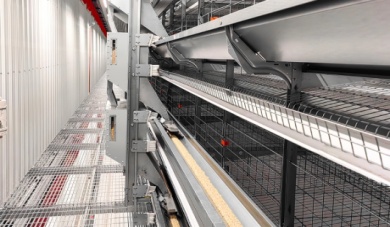
The adoption of modern layer cage systems offers several key benefits for poultry farmers:
By maximizing the use of available space and automating critical processes, modern layer cage systems allow farmers to produce more eggs with less labor and resources. This increased efficiency is crucial in meeting the growing global demand for eggs, particularly as the population continues to rise.
Automation plays a major role in reducing the amount of manual labor required for tasks like feeding, watering, and egg collection. This not only lowers operating costs but also reduces the potential for human error, improving the consistency and quality of egg production.
With the integration of advanced waste management systems, automated cleaning, and the ability to monitor hen health more closely, the risk of disease outbreaks is significantly reduced. A cleaner environment and more effective disease management are essential for maintaining the health of the birds and ensuring a stable egg supply.
Modern layer cage systems are designed with animal welfare in mind. By providing hens with more space, comfort, and the ability to engage in natural behaviors, these systems ensure that animals are healthier and less stressed. This not only benefits the hens but also leads to higher-quality eggs and improved productivity.
Layer cage systems that incorporate energy-efficient technologies and sustainable practices contribute to the overall environmental sustainability of the farm. By reducing energy consumption, water use, and waste production, these systems help farmers meet environmental regulations while also reducing their carbon footprint.
The future of layer cage equipment is centered around creating systems that are not only efficient and productive but also sustainable and humane. With advancements in automation, waste management, animal welfare, and smart technologies, layer cage systems will continue to play a crucial role in the future of egg production.
Farmers will increasingly rely on these advanced systems to meet the growing demand for eggs while addressing challenges related to sustainability and animal welfare. As technology continues to improve, layer cage equipment will become even more efficient, cost-effective, and environmentally friendly.
At Hebei Zeus Machinery Manufacturing Co., Ltd., we are committed to providing state-of-the-art layer cage equipment that helps poultry farmers achieve higher efficiency, better productivity, and improved animal welfare. Our advanced systems are designed to meet the growing needs of the poultry industry, and we are continually innovating to provide solutions that enhance the future of egg production.
If you’re looking to optimize your egg production system and incorporate the latest in layer cage technology, we invite you to contact us for more information. Our team is ready to assist you in finding the right equipment for your farm and ensuring that you get the best possible results. Reach out to Hebei Zeus Machinery Manufacturing Co., Ltd. today to learn more about how our solutions can transform your egg production business.


