
+86- 15030729981
www.zeushebei.com
www.zeushebei.com
Economic Development Zone, Cang City, Hebei Province, China.

Views: 168 Author: Site Editor Publish Time: 2026-03-13 Origin: Site
In modern poultry farming, maintaining high standards of hygiene and ensuring the quality of eggs are two of the most critical aspects for maximizing productivity and profitability. With growing demands for efficiency and cleanliness, traditional manual egg collection methods no longer suffice. This is where automatic egg collecting systems come into play. These systems revolutionize the way eggs are collected, offering enhanced hygiene, better egg quality, and a more streamlined workflow for poultry farms.
As the poultry industry continues to evolve, farmers are increasingly adopting automatic egg collecting systems to automate the labor-intensive task of egg collection. These systems are designed to reduce human intervention, minimize handling, and improve overall farm sanitation, making them an invaluable tool for poultry farms worldwide. But how exactly do these systems enhance hygiene and egg quality? This article will delve into the numerous benefits of automatic egg collection, offering insights on why poultry farms should consider upgrading their egg collection systems.
Automatic egg collecting systems are advanced technological solutions designed to streamline the egg collection process on poultry farms. These systems consist of a network of conveyor belts, rollers, and sensors that automatically transport eggs from the laying areas to a collection point. The eggs are gently moved to avoid any cracks or damages, ensuring high-quality output.
These systems can be customized based on the size and layout of the farm and are designed to handle eggs in a variety of ways. Some systems even incorporate additional features like automatic cleaning mechanisms to further enhance hygiene. By automating the egg collection process, these systems drastically reduce the amount of time and labor involved, making them ideal for both large-scale commercial farms and smaller operations looking to scale up.
One of the key benefits of automatic egg collecting systems is their ability to maintain high levels of hygiene. Traditional manual collection methods often involve human hands, which can introduce contaminants to the eggshells. Even if workers wear gloves, there’s still a higher chance of contamination during the collection process, which can lead to compromised egg quality and the risk of contamination spreading throughout the farm.
Automatic systems, on the other hand, eliminate the need for direct human contact with the eggs. As eggs are automatically moved along the system, they are kept in a controlled, sanitary environment, reducing the risk of bacterial contamination or damage. Some systems are even equipped with cleaning mechanisms that wipe down the eggs as they are transported, ensuring they are free from dirt and debris when they reach the collection point.
Benefits of Improved Hygiene:
Feature | Benefit |
Reduced Human Contact | Minimizes risk of contamination during collection. |
Automatic Cleaning | Ensures eggs remain clean, free from dirt and bacteria. |
Closed System Design | Prevents exposure to external contaminants. |
In poultry farming, ensuring the quality of eggs is paramount. One of the most significant challenges that farm owners face during egg collection is the prevention of egg breakage. Manual handling often leads to accidental cracking or damage, which directly affects the marketability of the eggs. Even the gentlest handling can sometimes result in cracked eggs, leading to potential losses for farmers.
Automatic egg collecting systems are designed to address this issue by minimizing human contact and preventing egg breakage. These systems use advanced technology to gently transport the eggs across cushioned surfaces, which help absorb the impacts and reduce the risk of breakage. The design includes rollers and conveyor belts that keep the eggs stable and in place as they move through the collection process. By ensuring that the eggs do not collide or roll into one another, these systems help preserve the integrity of the eggs.
In addition, automatic egg collecting systems significantly reduce the amount of physical handling. This minimizes the risk of cracks or chips, leading to higher yields of intact eggs. As eggs are collected with minimal contact, they retain their optimal condition, ensuring that they are suitable for both retail markets and egg production. This is especially crucial in industries where quality control is a priority and where damaged eggs can reduce the overall profitability of the farm.
These systems not only improve the quality of eggs but also enhance the efficiency of egg collection, providing a solution that keeps eggs in their best condition while reducing the need for labor-intensive handling.
Benefits of Enhanced Egg Quality:
Feature | Benefit |
Gentle Transport | Prevents cracks or chips by gently moving eggs across cushioned surfaces. |
Stable Handling | Ensures eggs stay secure and undisturbed, preventing unnecessary movement. |
Less Breakage | Reduces the chances of breakage, resulting in a higher yield of marketable eggs. |
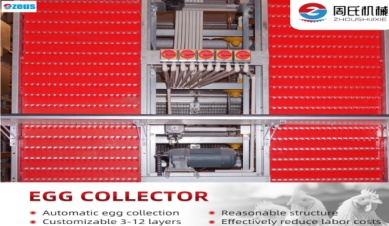
Labor costs are one of the largest expenses in poultry farming, particularly when it comes to the manual labor required for egg collection. Traditional egg collection methods involve multiple workers who must manually gather eggs, which can lead to inefficiencies, long working hours, and increased costs. Additionally, manual egg collection is prone to human error, which can result in missed eggs or improper handling, ultimately affecting the productivity of the farm.
Automatic egg collecting systems offer a transformative solution to these challenges. These systems automate the entire egg collection process, reducing the need for manual labor. Workers no longer need to spend valuable time collecting eggs, freeing them up to focus on other essential tasks, such as feeding, cleaning, and ensuring the health of the flock. The time saved by automation translates into increased productivity across the farm.
Furthermore, automated egg collection systems reduce the likelihood of human error. Consistent collection ensures that eggs are gathered on time, preventing any issues related to eggs being missed or left in nests for too long. Automation also ensures a streamlined process, which reduces the likelihood of accidents or mistakes during collection. With the ability to maintain consistent operation, the overall efficiency of the farm improves, leading to smoother day-to-day operations.
By implementing these systems, poultry farms can significantly lower labor costs while increasing overall efficiency. The reduced need for workers in egg collection allows for better allocation of resources and ensures that farms can scale their operations without proportional increases in labor costs.
Benefits of Increased Efficiency:
Feature | Benefit |
Automation | Reduces manual labor, automating the entire egg collection process. |
Time-Saving | Allows workers to focus on other important tasks, increasing overall productivity. |
Consistent Collection | Ensures that eggs are collected on time, preventing missed eggs and improving operational consistency. |
Modern automatic egg collecting systems often come equipped with advanced sensors and tracking features that allow for better monitoring of egg production. These systems can provide real-time data on egg collection, including the number of eggs collected, egg quality, and any potential issues during the process.
Having access to this data allows farm operators to identify trends, monitor the health of the flock, and make data-driven decisions that can improve overall farm operations. With better traceability, farm owners can ensure they meet industry standards and regulations for food safety, which is especially important when selling eggs to large retailers or for export.
Benefits of Better Monitoring:
Feature | Benefit |
Real-Time Data | Allows operators to track egg collection and farm performance. |
Enhanced Decision Making | Helps optimize operations based on accurate, real-time data. |
Improved Traceability | Ensures compliance with food safety regulations. |
Incorporating automatic egg collecting systems in poultry farms is a game-changer, offering substantial improvements in hygiene, egg quality, and operational efficiency. These systems not only minimize the risk of contamination and breakage but also reduce labor costs, making them an excellent investment for modern poultry operations. Whether you run a small farm or a large commercial facility, adopting automatic egg collection technology will undoubtedly lead to better results and long-term benefits.
At Hebei Zeus Machinery Manufacturing Co., Ltd., we specialize in providing top-of-the-line automatic egg collecting systems that are designed to meet the unique needs of your poultry farm. Our systems are engineered for reliability, efficiency, and hygiene, ensuring your operation runs smoothly and your eggs are of the highest quality. Feel free to contact us to learn more about our products and how we can help elevate your egg collection process.
1. How do automatic egg collecting systems improve farm hygiene?
Automatic systems reduce human contact with eggs, preventing contamination and maintaining a clean environment during the collection process.
2. Can automatic egg collecting systems reduce egg breakage?
Yes, these systems use gentle handling and transportation methods to reduce the risk of egg breakage, ensuring better egg quality.
3. How much can I save on labor costs with an automatic egg collecting system?
By automating egg collection, you can significantly reduce the labor required for this task, allowing workers to focus on other aspects of farm management.
4. Are automatic egg collecting systems easy to maintain?
Yes, these systems are designed to be low-maintenance and highly durable, requiring minimal care while providing maximum efficiency.


