
English ![]()

+86-15030729981
www.zeushebei.com
www.zeushebei.com
Economic Development Zone, Cang City, Hebei Province, China.

Views: 0 Author: Site Editor Publish Time: 2026-01-26 Origin: Site

As poultry farming continues to grow and evolve, one of the most critical aspects of managing a successful poultry farm is providing the best feeding methods for chickens. Whether you're raising chickens for egg production, meat, or both, their diet plays a significant role in ensuring their health, productivity, and overall well-being. The right feeding system ensures that chickens receive the proper nutrition, leading to higher egg production, healthier birds, and ultimately greater profit for poultry farm operators. This article explores the best feeding methods for chickens, how to optimize feed efficiency, and how poultry feeding systems can help improve farm productivity.
Chickens require a well-balanced diet to grow, produce eggs, and stay healthy. Improper feeding can lead to poor growth, low egg production, and even diseases. A high-quality, balanced diet helps chickens maintain good health, improves egg quality, and boosts feed efficiency, reducing costs. Providing the right amount of food at the right time and in the right manner is key to achieving better results on the farm.
The right feeding method ensures that chickens get the necessary nutrients, such as protein, vitamins, minerals, and carbohydrates. For example, laying hens require calcium to produce strong eggshells, while broilers need protein for rapid growth. By providing a diet tailored to each flock’s specific needs, poultry farmers can maximize productivity and health.
The feeding method largely depends on the size of the farm, the purpose of the chickens (e.g., egg production or meat), and available resources. Below, we will discuss the most common feeding methods and the benefits and drawbacks of each.
Manual feeding involves distributing food to chickens by hand or using simple equipment such as containers or troughs. It is typically used in small-scale, traditional poultry operations.
Benefits:
Simple and Inexpensive Setup: Easy to implement with minimal investment, ideal for small farms.
Close Monitoring of Food Intake: Allows farmers to ensure each chicken is properly fed and identify undernourished or sick birds.
Ideal for Small Farms: Perfect for farms with fewer chickens, providing hands-on care.
Drawbacks:
Time-Consuming and Labor-Intensive: Requires significant effort, especially with larger flocks.
Less Efficient for Larger Farms: Becomes impractical as farm size increases.
Risk of Uneven Food Distribution: Some chickens may not get enough food, affecting health and growth.
Trough feeding is a more organized feeding method where troughs or containers filled with food are placed inside the chicken house. Chickens can access the food in a designated area, making the process more efficient compared to manual feeding. This method is commonly used in medium-sized farms.
Benefits:
More Organized Than Manual Feeding: With trough feeding, the food is evenly distributed in a contained space, reducing the chances of waste and ensuring all chickens have access to feed. This method helps maintain order and reduces feeding time.
Less Labor-Intensive: Unlike manual feeding, trough feeding requires less hands-on work, as chickens can help themselves to the feed as needed. This makes it a more efficient method for medium-sized farms.
Helps Distribute Feed Evenly: By placing the food in troughs, farmers can ensure that chickens are getting an equal share of the feed, which helps to maintain uniform growth and health across the flock.
Drawbacks:
Requires Cleaning to Prevent Spillage and Contamination: Troughs need regular cleaning to avoid contamination from leftover food, water, and fecal matter. Failure to clean the troughs can lead to health problems for the birds and higher maintenance costs for the farm.
Birds May Peck at Each Other if Space Is Limited: If there is not enough space at the trough, chickens may fight for food, which can lead to stress, injuries, and uneven feeding. Ensuring enough space for all birds to feed comfortably is essential for this system to work effectively.
Automated feeding systems are increasingly used in large-scale poultry farming due to their efficiency. These systems use conveyors, augers, or pipes to automatically deliver food to the chickens at scheduled intervals.
Benefits:
Highly Efficient, Reducing Labor Costs: One of the biggest advantages of automated feeding systems is their ability to streamline the feeding process. With automation, there’s no need for labor-intensive manual feeding, saving farmers significant time and energy. This allows farmers to focus on other essential tasks, increasing overall farm productivity.
Ensures Consistent Feed Delivery: Automated feeding systems ensure that chickens receive consistent amounts of feed at regular intervals. This reduces the risk of overfeeding or underfeeding, which can affect the birds’ health and productivity.
Can Be Customized for Different Chicken Breeds: Automated systems can be designed to meet the specific nutritional needs of different chicken breeds. For example, laying hens may require more calcium, while broilers need more protein. The system can be set to provide the right amount of food for each type of chicken.
Reduces Food Waste and Minimizes Contamination Risk: Automated feeding systems ensure precise food delivery, which helps reduce food waste. Additionally, because the food is delivered in a controlled environment, the risk of contamination from exposure to pests, bacteria, or mold is minimized.
Drawbacks:
High initial setup cost
Requires maintenance for proper operation
May not be ideal for smaller farms due to the cost of installation
Free-choice feeding (ad-lib feeding) allows chickens to have constant access to feed throughout the day. This method is suitable for egg-laying hens that need a continuous supply of food for optimal egg production.
Benefits:
Chickens can eat at their own pace, reducing stress
Suitable for laying hens that need consistent nutrition
Drawbacks:
Risk of overfeeding or underfeeding if the feed is not properly balanced
Requires careful monitoring of food intake
Scratch feeding involves scattering grains or feed on the floor for chickens to peck at, mimicking their natural foraging behavior.
Benefits:
Encourages natural foraging and exercise
Can be used alongside other methods
Drawbacks:
Not suitable for large-scale farms due to labor and space requirements
Potential for uneven food intake and waste
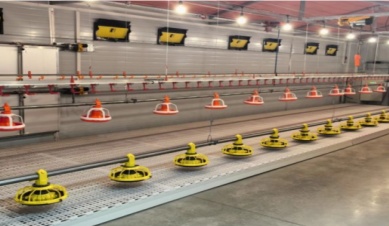
Choosing the right feeding method depends on several factors, including the farm's size, the type of chickens being raised, and the available resources. For large-scale operations, automated feeding systems are often the most efficient and cost-effective choice, as they help streamline feeding processes and reduce labor costs. For smaller farms, manual or trough feeding may be more practical and economical, though they require more effort to manage.
In addition to choosing the right method, ensuring the feed is high quality and tailored to the specific needs of your chickens is essential. Laying hens, for instance, need a calcium-rich diet, while broilers require protein for growth. Tailoring the diet ensures chickens receive the right nutrients at the right time, promoting health and productivity.
Feeding Method | Benefits | Drawbacks | Best For |
Manual Feeding | Simple, low cost | Time-consuming, labor-intensive | Small farms with fewer chickens |
Trough Feeding | Organized, reduces labor compared to manual | Requires cleaning, potential for competition | Medium-sized farms |
Automated Feeding | Highly efficient, consistent feed delivery | High initial cost, requires maintenance | Large-scale operations |
Free-Choice Feeding | Chickens eat at their own pace, less stress | Risk of overfeeding, requires careful monitoring | Laying hens in large flocks |
Scratch Feeding | Encourages natural foraging, promotes health | Requires space, can lead to food waste | Small-scale farms, mixed-use feeding |
Choosing the right feeding method is essential for the health and productivity of your chickens. Whether you're operating a small farm or a large commercial poultry business, understanding the benefits and drawbacks of each feeding system will help you make an informed decision. By investing in the right poultry feeding system, you can optimize farm operations, ensure chicken health, and improve profitability.
At Hebei Zeus Machinery Manufacturing Co., Ltd., we specialize in providing high-quality poultry feeding systems designed to improve efficiency and reduce labor costs. Our solutions are tailored to meet the specific needs of your farm, whether you're raising laying hens, broilers, or both. For expert advice and product recommendations, contact us today to discuss the best feeding systems for your poultry farm.
1. How do I know which feeding system is best for my farm?
The best feeding system depends on farm size, chicken type, and budget. Automated systems are ideal for large-scale operations, while smaller farms may benefit from manual or trough feeding.
2. Can I combine different feeding methods?
Yes, combining methods like free-choice feeding with automated systems can help meet specific needs. Monitor food intake to avoid waste.
3. Are automated feeding systems worth the investment?
Automated systems offer long-term benefits, including efficiency, consistency, and labor savings, making them valuable for large-scale farms despite the initial cost.
4. Can free-choice feeding lead to obesity in chickens?
Free-choice feeding can lead to overfeeding if the diet is unbalanced. It's essential to monitor feed intake to ensure chickens receive proper nutrition without excess.


