
English ![]()

+86-15030729981
www.zeushebei.com
www.zeushebei.com
Economic Development Zone, Cang City, Hebei Province, China.

Views: 0 Author: Site Editor Publish Time: 2026-01-30 Origin: Site

In poultry farming, one of the most critical aspects that can significantly impact the productivity and health of your birds is the feeding system. An optimized poultry feeding system ensures that your flock receives the right nutrients at the right time, which is crucial for their growth, egg production, and overall health. However, there are common feeding mistakes that many poultry farmers make, which can lead to wasted feed, poor health, and reduced yields. At Hebei Zeus Machinery Manufacturing Co., Ltd., we understand the importance of efficient and accurate feeding systems in poultry farming. We specialize in providing advanced poultry feeding systems that can help minimize these mistakes and maximize farm profitability.
In this article, we will explore the most common feeding mistakes in poultry farming, how they affect your flock, and how optimizing your feeding system can help improve efficiency, animal welfare, and overall farm success.
In poultry farming, providing the right amount of feed is one of the most crucial factors in ensuring the health and productivity of your flock. Overfeeding and underfeeding can both lead to a variety of issues that compromise the overall success of the farm. It’s essential to strike the right balance to ensure your poultry are getting the nutrients they need without the associated downsides of either extreme.
Overfeeding may seem like a logical way to ensure that your birds are well-fed, but it can result in several negative consequences. When poultry consume more feed than necessary, the excess goes to waste, which increases the overall feed costs. Additionally, overfeeding can lead to obesity in birds, which can cause metabolic problems and affect their overall health.
Obesity and Metabolic Issues: Overfed poultry are more likely to become overweight, which can lead to metabolic disorders such as fatty liver syndrome and heart disease. These conditions can reduce the birds’ lifespan, egg production, and overall growth rates.
Reduced Egg Production: When poultry become obese, their egg production can be significantly reduced, impacting the profitability of egg farms. Overfed hens may also experience reproductive issues that further hinder production.
Increased Feed Costs: Providing more feed than necessary can lead to wasted feed, which not only increases costs but also negatively impacts the sustainability of the farm.
On the other hand, underfeeding is equally detrimental to the poultry's health. When birds do not receive enough nutrients, they experience malnutrition, leading to weak and unhealthy birds. Underfed poultry often show signs of stunted growth, low weight gain, and low egg production.
Weak and Stunted Growth: Insufficient nutrition leads to poor growth and weight gain. Poultry that are underfed may fail to reach their full growth potential, resulting in smaller birds at the time of slaughter and fewer eggs from laying hens.
Vulnerability to Disease: Malnutrition weakens the immune system, making poultry more susceptible to diseases and infections. This can result in increased mortality rates and the need for costly medical interventions.
Poor Egg Production: Underfed hens tend to lay fewer eggs, which affects egg farms that rely on consistent production. The reduced quantity and quality of eggs may lead to financial losses.
The best way to avoid both overfeeding and underfeeding is to use a poultry feeding system that delivers precise amounts of feed based on the age, breed, and specific requirements of your flock. Automated feeding systems can help ensure that your birds are fed consistently and accurately, without wasting feed.
In addition to overfeeding and underfeeding, inconsistent feeding schedules can also disrupt the metabolic balance of poultry. Just like humans, poultry thrive on routine, and irregular feeding can lead to stress, poor growth, and decreased egg production. The lack of a consistent feeding schedule can confuse the birds’ digestive systems, resulting in inefficient feed utilization.
To optimize your poultry feeding system, it is essential to establish a consistent feeding schedule. Automated systems can provide a regular, consistent feed distribution that helps maintain a healthy and productive flock. This ensures that your birds receive their meals at the right time every day, which promotes better health, growth, and productivity.
The quality and nutritional content of the feed are crucial for poultry health. Using poor-quality feed or an imbalanced diet can lead to nutritional deficiencies, diseases, and lower production rates. For example, a diet lacking in essential nutrients like protein, vitamins, and minerals can stunt growth and reduce egg production.
It is essential to use high-quality feed that is tailored to the needs of your specific poultry breed. Work with trusted suppliers to ensure that you are providing nutritionally balanced feed that meets the growth and health requirements of your birds. Automated poultry feeding systems can also help ensure that the feed is distributed evenly and efficiently, minimizing waste and ensuring your flock gets the nutrients they need.
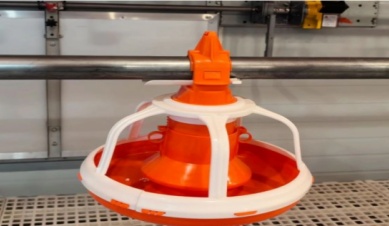
Poultry require different types of feed at various stages of their life. For example, chicks need starter feed with high protein levels to support rapid growth, while laying hens need a different mix to support egg production. Failing to adjust the feed based on the bird's age and purpose can lead to poor growth or a reduction in egg-laying rates.
Implementing a feeding system that can adapt to the nutritional needs of your poultry at different life stages is crucial. Automated poultry feeding systems can be programmed to dispense different types of feed based on age, breed, and the specific production goals (such as egg-laying or meat production). This ensures that your birds receive the right nutrients at the right time, promoting optimal growth and production.
While feed is important, water is just as essential to the health and well-being of poultry. Many farmers overlook the importance of a clean and constant water supply, which can lead to dehydration, poor digestion, and reduced productivity in the flock. Without adequate water, birds cannot properly digest their feed, leading to poor growth rates, lower egg production, and increased susceptibility to disease.
Ensure that your poultry feeding system includes a clean and reliable water distribution system. Automated waterers and drinking systems can provide a continuous and regulated water supply for your flock, ensuring that they are properly hydrated. Keeping water sources clean and free from contaminants is also crucial for maintaining the health of your birds.
Factor | Explanation |
Feed Quantity | Use a system that ensures accurate feed distribution to avoid overfeeding or underfeeding. |
Feeding Schedule | Establish a consistent feeding routine to promote metabolism and productivity. |
Feed Quality | Provide nutritionally balanced feed tailored to the birds' needs at each life stage. |
Growth Stage Adjustment | Adjust feed based on the age, breed, and specific needs of your poultry. |
Clean Water Supply | Ensure a reliable, clean water source to maintain hydration and digestive health. |
In conclusion, poultry feeding systems play a vital role in optimizing the health and productivity of your flock. Avoiding common feeding mistakes such as overfeeding, inconsistent feeding schedules, poor-quality feed, and inadequate water supply can significantly improve the overall performance of your poultry farm. By implementing a reliable, automated feeding system, you can ensure that your poultry receive the right nutrients at the right time, leading to healthier birds and higher yields.
At Hebei Zeus Machinery Manufacturing Co., Ltd., we specialize in providing advanced poultry feeding systems designed to meet the needs of modern poultry farming. Our systems are designed for efficiency, precision, and ease of use, helping you optimize feed distribution and reduce waste. For more information on how our solutions can help improve your poultry operation, feel free to contact us today.
Using an automated poultry feeding system is the most effective way to ensure precise feed distribution, preventing overfeeding and underfeeding by delivering accurate amounts based on the bird's needs.
Inconsistent feeding schedules can disrupt the poultry’s metabolism, leading to stress, poor growth, and reduced productivity. Establishing a regular feeding routine is essential for optimal poultry health and performance.
High-quality, nutritionally balanced feed is essential. It should be tailored to the specific needs of your poultry at different stages of growth (starter, grower, and layer feed) to support their health and productivity.
Invest in automated water distribution systems that provide a continuous, clean water supply to your birds. Regularly clean water sources to prevent contamination and ensure proper hydration.


