
English ![]()

+86-15030729981
www.zeushebei.com
www.zeushebei.com
Economic Development Zone, Cang City, Hebei Province, China.

Views: 140 Author: Site Editor Publish Time: 2026-01-28 Origin: Site
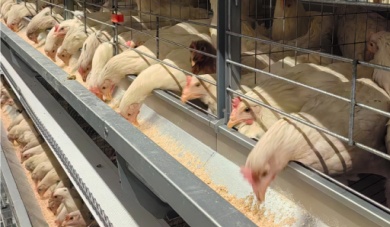
In the poultry farming industry, improving fertility rates and overall efficiency is essential for maximizing production and ensuring profitability. One of the most significant innovations in modern poultry farming has been the development of breeder cage equipment. These specialized cages provide a controlled environment that helps optimize egg production and fertility while ensuring that hens and roosters are kept in ideal conditions.
Breeder cage systems are designed specifically for breeding purposes, offering a more efficient and hygienic solution for the management of breeding poultry. They provide farmers with greater control over environmental factors, nutrition, and breeding management, which all play crucial roles in enhancing fertility rates.
One of the primary advantages of breeder cage systems is their efficient use of space, which helps maximize the number of breeding pairs that can be housed in a confined area. In traditional poultry farming systems, managing space can be a challenge, often leading to overcrowding or poor allocation of breeding pairs. This lack of space can result in numerous problems, including reduced fertility, increased stress, and higher rates of injury among the birds.
Overcrowding in breeding systems can lead to aggressive behaviors, such as fighting and pecking, as hens and roosters struggle for territory or access to resources. This stress can negatively impact mating opportunities, with some hens and roosters avoiding each other due to aggression or discomfort. Furthermore, overcrowding increases the risk of injury, particularly when the birds are unable to move freely. Injuries can cause further stress, reduce the health of the birds, and lead to a decrease in overall productivity.
Breeder cages are designed to address these challenges by housing hens and roosters in individual compartments that provide adequate space for each bird. These cages ensure that both hens and roosters can be properly paired without the risk of overcrowding, allowing for natural mating behaviors to take place in a stress-free environment. The individual compartments not only prevent aggressive behaviors but also provide birds with their own space to lay eggs, rest, and engage in other natural activities, which are critical for their health and well-being.
The cages are often arranged in a way that allows hens and roosters to be housed in close proximity, ensuring that they have sufficient opportunities for mating while minimizing the stress of constant interaction with other birds. This configuration facilitates natural mating behaviors, improving the chances of successful fertilization and ultimately leading to higher fertility rates. The optimized space allocation also reduces the potential for injuries, ensuring that the birds remain healthy and productive.
Breeder cage systems allow for precise control over the environment, including temperature, ventilation, lighting, and humidity. These factors are essential for ensuring the fertility of eggs and improving hatchability. In a traditional breeding system, fluctuations in temperature or poor air circulation can lead to stress, which may affect the hens' reproductive cycles, leading to lower fertility rates and inconsistent egg production.
In modern breeder cage equipment, temperature control and ventilation systems are integrated into the design, ensuring that the environment remains optimal for the birds. A stable temperature, typically between 18°C and 24°C (64°F to 75°F), ensures that hens are comfortable and that their reproductive systems are functioning at their best. Proper ventilation maintains air quality and prevents the buildup of harmful gases like ammonia, which can negatively impact fertility.
Lighting is another critical factor in poultry breeding. Hens’ reproductive cycles are closely linked to the amount of light they receive. Breeder cage systems often feature adjustable lighting systems that allow farmers to control the length and intensity of light exposure. By providing consistent lighting, these systems can stimulate egg production and synchronize mating behaviors, further improving fertility rates.
Additionally, breeder cages are designed with humidity control systems to prevent excessive moisture in the air, which can create a breeding ground for harmful bacteria and affect egg quality. A controlled environment that manages all these factors ensures that hens and roosters remain healthy and productive, ultimately leading to better fertility outcomes.
Efficient nutrition is essential for the health and fertility of poultry. Breeder cage equipment is designed with integrated feeding and watering systems that deliver food and water in a controlled manner, ensuring that hens and roosters receive the appropriate amounts of nutrients throughout the day. Proper nutrition helps maintain reproductive health and ensures that birds are physically fit to produce eggs.
Automatic feeders and waterers are common features in breeder cage systems. These systems are designed to ensure that food and water are evenly distributed to each compartment, reducing the risk of competition for resources. Hens and roosters have constant access to fresh feed and water, which is essential for maintaining energy levels and reproductive performance.
Inadequate or inconsistent feed and water intake can lead to malnutrition, reduced fertility, and poor egg production. By providing a reliable and efficient feeding system, breeder cage equipment ensures that all birds are well-nourished and capable of performing at their best. Additionally, automated systems reduce labor costs and human error, contributing to more consistent and efficient operation of the farm.
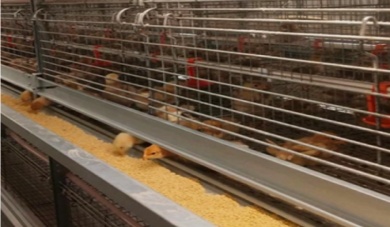
Hygiene is crucial for preventing disease outbreaks and maintaining the health of breeding birds. Poor sanitation can lead to the spread of diseases like avian influenza or Salmonella, which can drastically reduce fertility rates and affect the overall productivity of the farm. Breeder cage systems are specifically designed to address this concern, as they help maintain a cleaner and more hygienic environment for the birds.
The cages are constructed with smooth surfaces that are easy to clean, and the waste is automatically collected and disposed of. The waste management systems in breeder cages are highly effective at removing droppings from the cages, preventing the buildup of harmful bacteria and parasites that can lead to infections. By keeping the living conditions dry and clean, the risk of disease transmission is greatly minimized.
Additionally, breeder cage systems are designed to reduce direct contact between hens and their waste, which further reduces the likelihood of infections spreading. The use of automatic cleaning systems and efficient waste management helps maintain a healthier environment for breeding birds, which directly contributes to better fertility rates and higher productivity.
Stress is one of the primary factors that can negatively impact the reproductive performance of poultry. In traditional farming systems, birds often experience stress due to overcrowding, competition for food and water, or poor living conditions. This can lead to lower fertility, reduced egg production, and increased susceptibility to disease.
Breeder cage systems are designed to minimize stress by providing individual compartments for each bird. This setup allows hens and roosters to interact naturally while maintaining a calm and controlled environment. The cages also have features such as perches and nesting boxes, which provide birds with the opportunity to engage in natural behaviors, further reducing stress and improving overall well-being.
By minimizing stress, breeder cages help ensure that birds are more likely to mate successfully and lay fertile eggs. Lower stress levels also improve the overall health of the birds, which is crucial for maintaining a productive breeding operation.
Modern breeder cage systems come equipped with advanced monitoring and control technologies that allow farmers to track the health, behavior, and reproductive performance of their birds. These systems collect data on key parameters such as egg production, feed consumption, and bird activity, which can be analyzed to make informed decisions about breeding management.
The ability to monitor these factors in real-time helps farmers identify potential problems early, such as declining fertility or poor health, allowing them to take corrective action before the issue becomes more serious. Automated control systems also enable farmers to adjust environmental factors like temperature, lighting, and humidity to optimize breeding conditions.
By providing farmers with greater control and real-time insights into their breeding operations, breeder cage equipment helps improve efficiency, reduce waste, and enhance fertility rates.
Breeder cage equipment is a game-changer for modern poultry farms, offering a comprehensive solution to improve fertility rates and breeding efficiency. By optimizing space usage, controlling the environment, providing consistent nutrition, promoting hygiene, and minimizing stress, these systems support better reproductive performance and higher egg production. The result is healthier birds, improved productivity, and a more sustainable and profitable farm.
At Hebei Zeus Machinery Manufacturing Co., Ltd., we are dedicated to providing high-quality breeder cage systems designed to meet the needs of modern poultry farming. Our equipment is built with the latest technology and is designed to maximize both efficiency and animal welfare. We encourage you to explore how our breeder cage systems can improve the fertility and overall performance of your farm. Contact us today to learn more about our innovative solutions for poultry farming and how we can help you achieve higher yields and healthier birds.


